

Educating from watts to kerman
From Kathy’s earliest memories she wanted to become a teacher someday. This intensified as she matured and there was no other plan but to become a teacher when she started college. She began at Cerritos Community College in Southern California but transferability of credits soon became a problem. She transferred to Brigham Young University a year later. She graduated with a Bachelor’s Degree, majoring in elementary education with a minor in music.
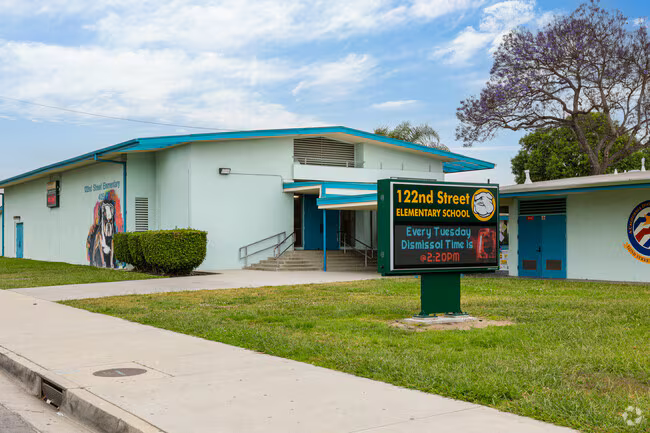
122nd Street School in Watts
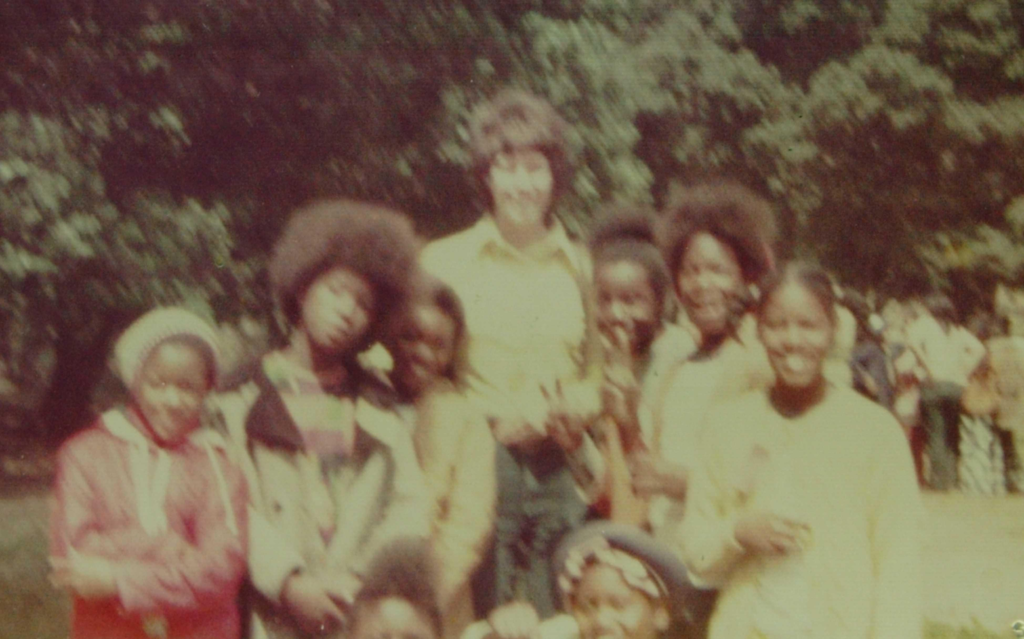
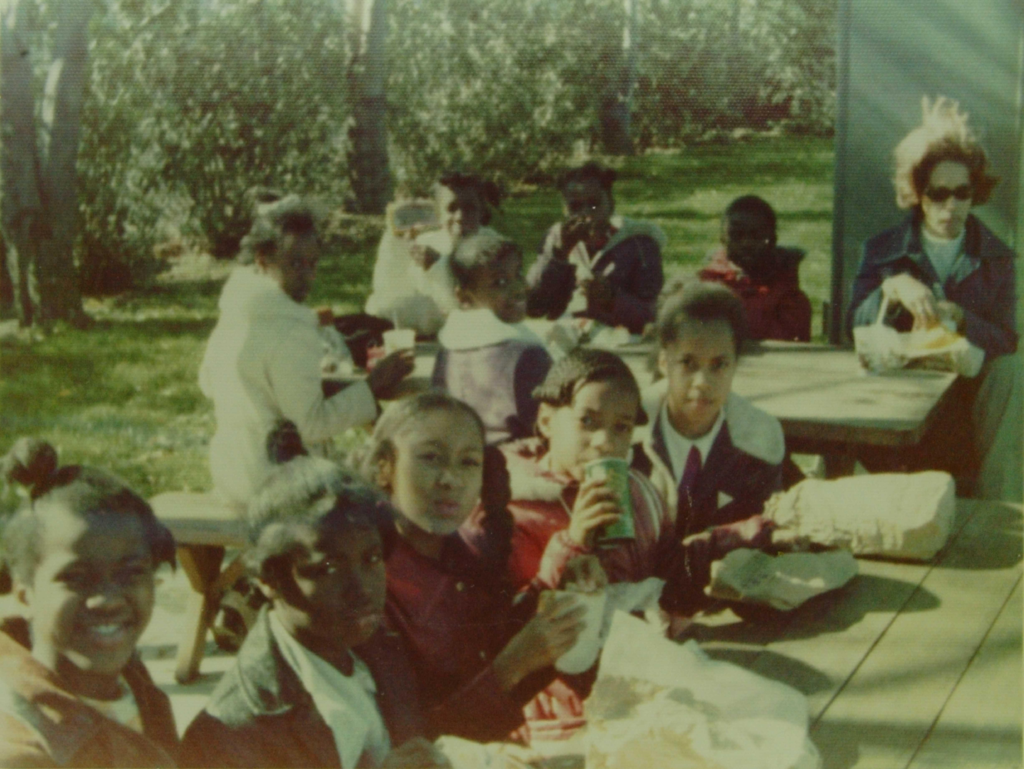
When Kathy graduated from BYU, she expected to find a job teaching elementary school music. School districts were re-evaluating. Very few teaching jobs were offered. Kathy was a young 21 year old looking for a teaching position. After much searching, she was offered a 5th-6th grade combination class at 122nd Street School in the Central Los Angeles community of Watts. The offer came just two weeks before school started. She accepted and planned to roll up her sleeves and go to work.
As she looked at the profile of her class, the average reading level of her 5th-6th combo class was just above first grade. She decided to not look at individual student cumes so they would not bias her. Each student had a fresh start with her.
On the first day of school she introduced herself to her class as Miss Nunnally. She turned around to write her name on the chalkboard, and a large rock hit the board just above her head. For just a moment she wondered why she was there and wanted to run. Then somehow she turned around and said, “Someone is a lousy shot.” Silence at first, then a couple of giggles, then the entire class laughed with her. They decided she was OK.
The fifth and sixth grade textbooks were useless for this class. She set textbooks aside and taught her students from their starting place. And they learned.
Once she asked her students about their career plans as adults. Nearly half of her class answered that they planned on welfare. She then got some welfare application forms and passed them out in class. When they couldn’t read well enough to fill out the welfare forms, she said, “I guess we have some learning to do.”
It was a known among the students that the cafeteria would run out of food each day before everyone was fed. Some students took advantage of this by slipping to the back of the line until the cafeteria ran out of food. Then they would have to wait, missing class, until more food was available. Kathy called one girl on this. Kathy told her to return to class and they would bring her lunch to class when it was ready. The next day Kathy was confronted by her older brother, who had just been released from jail on a manslaughter charge. He grabbed Kathy by the shirt and said, “My sister tells me you wouldn’t let her have lunch yesterday.” Kathy calmly explained what had really happened. The brother turned to his sister and said to her, “You’ve got some explaining to do when mama sees you.” He then left.
By the end of the year, they averaged just below third-grade reading level, which disappointed Kathy. Then, the vice principal noted that their reading had advanced more than an academic year in one school year for the first time in their lives. This experience sparked her lifelong passion for helping impoverished students, guiding those at the bottom of the social caste to find their path to success. Children at the lower end of the spectrum often lack sufficient advocates for their future.
Vincent was appointed as her class president, as he showed leadership potential. (He did. He was a rising star in a local gang.) Vincent liked Kathy and used his gang influence to protect her. Every weekend, some classrooms got broken into. Kathy’s did not for a long time. Finally one weekend she was broken into but they used her room to go into its adjoining room next door. That room was trashed, along with the adjoining room on the other side. Kathy’s room was untouched, except that someone wrote, “Good morning, Miss Nunnally,” on her board in chalk. (Kathy was happy to see it correctly spelled.)
There were three great years of teaching. Then a new principal came, Mr. Ashe. He loudly proclaimed that only African-American teachers were capable of teaching at his school. He criticized, humiliated, and intimidated the seven teachers of other races. At the end of the year, a burned out Kathy began a non-teaching job to work until she could find another teaching opportunity.
As it turned out, our first child came in the following year, and Kathy chose to become a career homemaker. She planned on never returning to the world of employment. And she made it seventeen years.
Fifteen years later, Kathy had a strong feeling that she should take some classes to update her teaching credential and take the CSAT test. She did so, wondering why such a prompting should come. She had no plans to return to professional teaching. But when she finished up, Ron became ill and unable to work. Kathy’s choices were return to teaching or homelessness. She chose teaching.
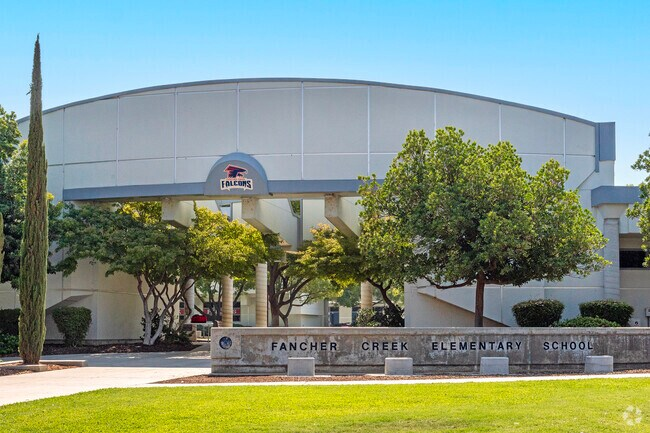
Fancher Creek Elemantary
The principal at Fancher Creek Elementary became familiar with Kathy as a parent. She was a frequent volunteer. When she let him know she wanted to return to teaching he acted quickly to offer her a position as a part-time Reading Specialist. She had done research in early reading enhancement because of Ben’s needs. She was geared for success there. It went well and soon she was moved to teach a first grade classroom. Her classes were often stacked with the behavior problem kids because she knew how to work with them. (After Watts, these kids had nothing to intimidate her with.)
When a position as Assistant Principal at Fancher Creek became available, Kathy requested to be considered. The situation became awkward, and Kathy finally surmised that the position had been promised to someone else. But the principal wanted her and created an administrative position for her.
Freedom Elementary
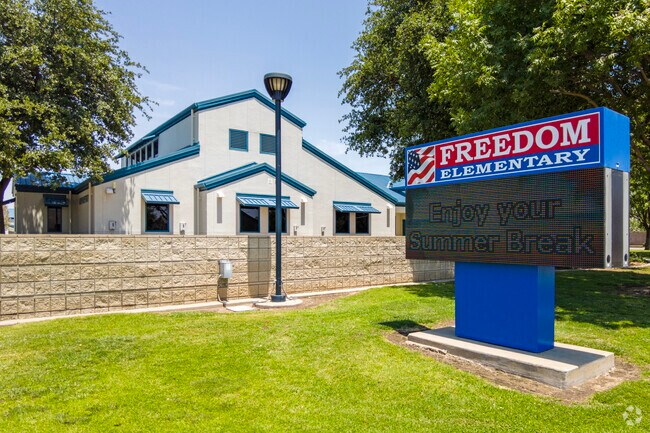
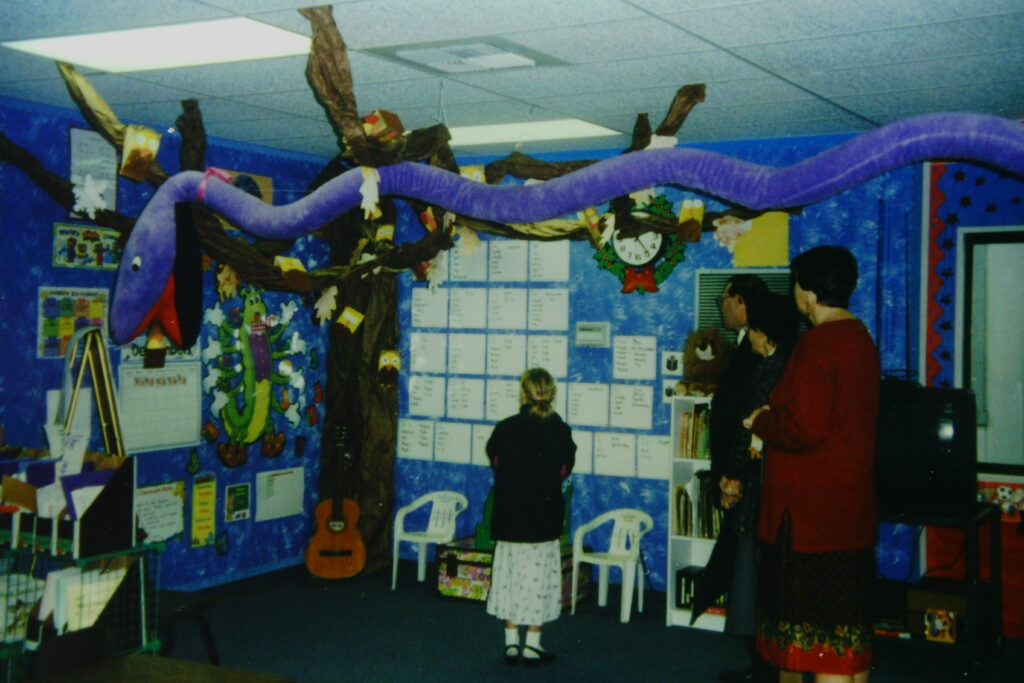
Then a new school called Freedom Elementary opened. The Fancher Creek principal, who opened the new school, immediately asked Kathy to join him as his assistant principal. She became a great problem solver, which made her popular among the teachers. They went to her when there were any problems.
With Mom’s financial support, Kathy pursued a Master’s Degree at Fresno Pacific University. Her thesis was on multigenerational poverty, keeping her focussed on the students at the bottom of the social caste. With lots of work she finished in two years. And it helped her form a mapbook of how she would someday direct her own school.
Eventually, Kathy made it known in Clovis Unified circles that she wanted to become an elementary principal. CUSD at that time required service as a high school assistant principal before becoming an elementary principal. She interviewed many times for open positions that would move her up the line but was never selected to join that path.
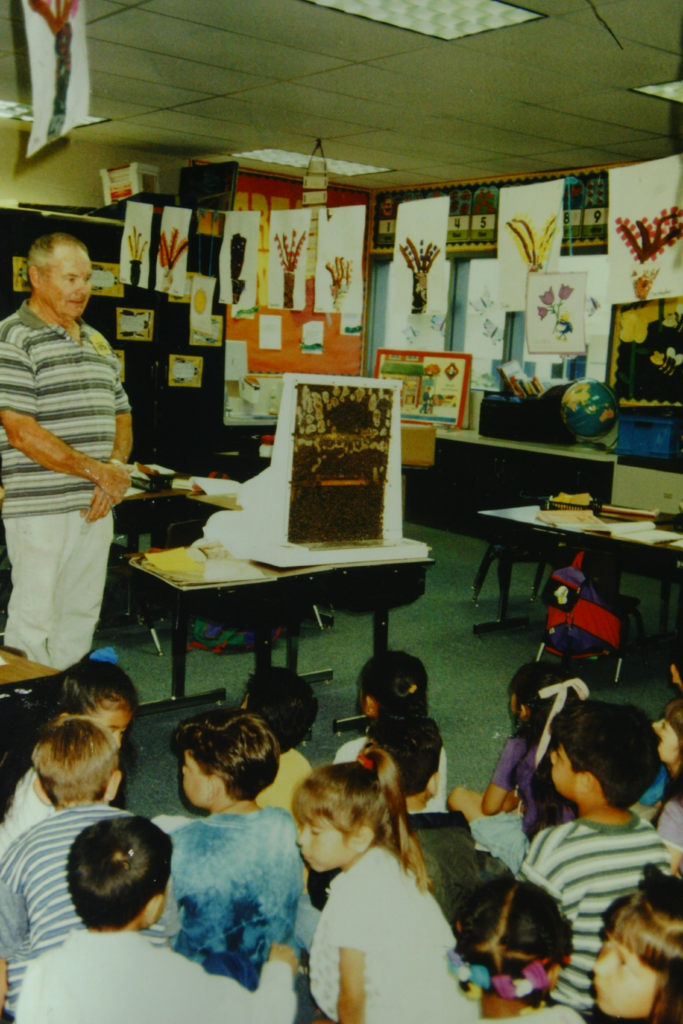
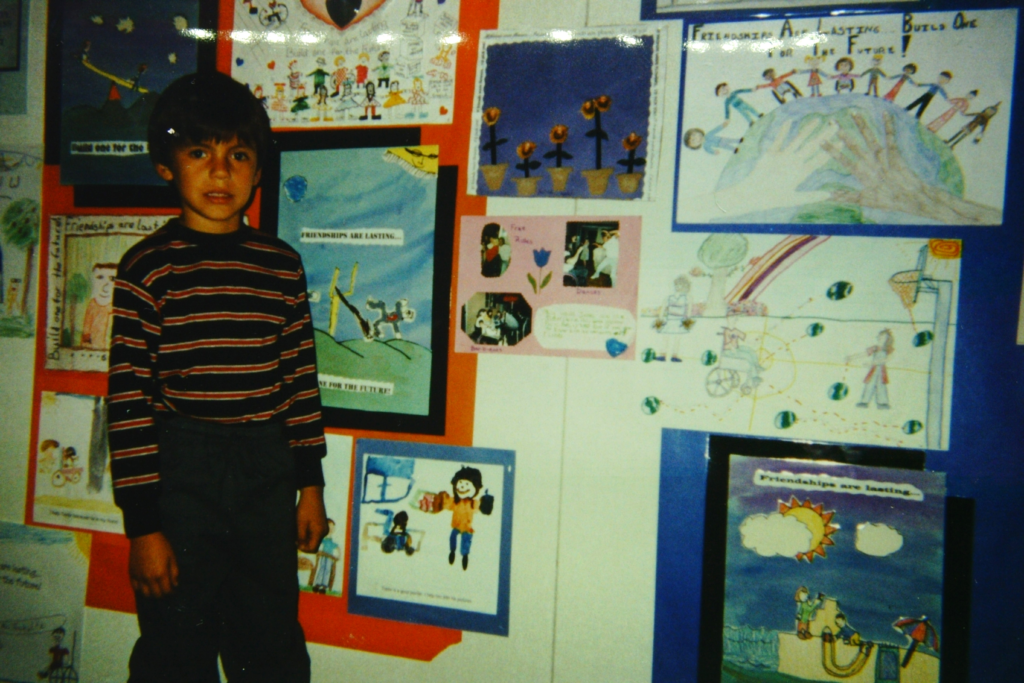
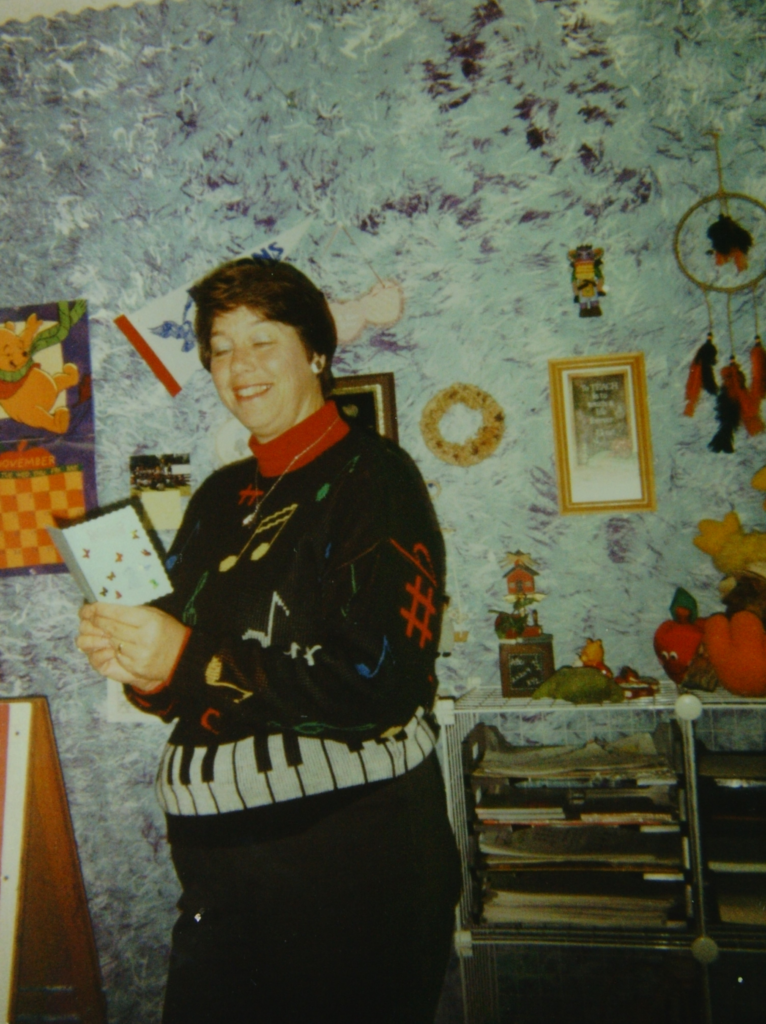
It became clear to Kathy that she was not on the CUSD short list to become an elementary principal. She finally made it clear that she would be a principal somewhere the next year. If not Clovis, somewhere else.
Kerman-Floyd Elementary
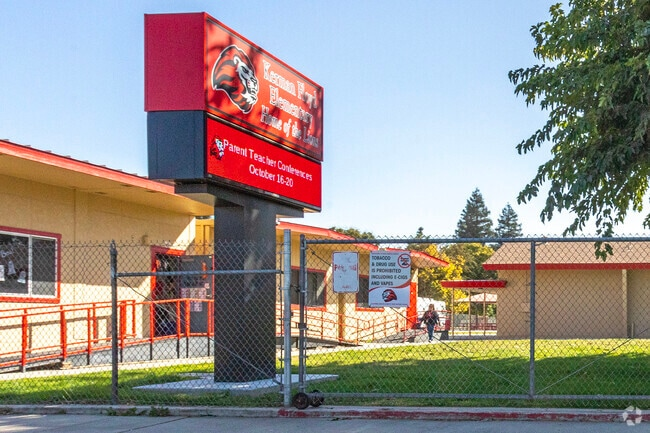
She interviewed for several openings outside the District, and got to interview with three district superintendents on principal openings. Fresno Unified offered her a position as a principal. Kerman Unified had said they wanted her but had not come to her with a formal offer yet. Kathy called Kerman and told them she had a offer from Fresno Unified but would prefer to work for Kerman Unified if they would make an offer. Within an hour, Kerman came through with an offer as principal of Kerman-Floyd Elementary that Kathy accepted.
Kathy stepped into a challenging environment at Kerman-Floyd, where the two previous principals had lasted only a year each. The school facilities were run down. In addition to 1,000 elementary students, she had another 200 per-school students. A few weeks into her new role, a seasoned teacher directly confronted her, stating, “We have driven two principals out already. If we don’t like you, we can do the same to you.” This initiated a movement among a few staff members to withhold support, as they attempted to assert their power. However, Kathy remained firm, unwavering in her commitment to guide the school based on the paramount needs of the children. She was forming a master plan to upgrade the quality of education at Kerman-Floyd Elementary, and to make a sharp looking school.
After a couple of years, school boundaries were adjusted, offering transfer opportunities to her teachers. The confrontive teachers, realizing they couldn’t intimidate Kathy, chose to transfer elsewhere. The remaining staff, recognizing her visionary leadership, decided to stay, eager to contribute to the school’s new direction. With the new boundaries, Kerman-Floyd served a predominantly impoverished community, with an astounding 98% of its students qualifying for free lunch. (The remaining 2% were the children of her teachers.)
A Mission for Underprivileged Students
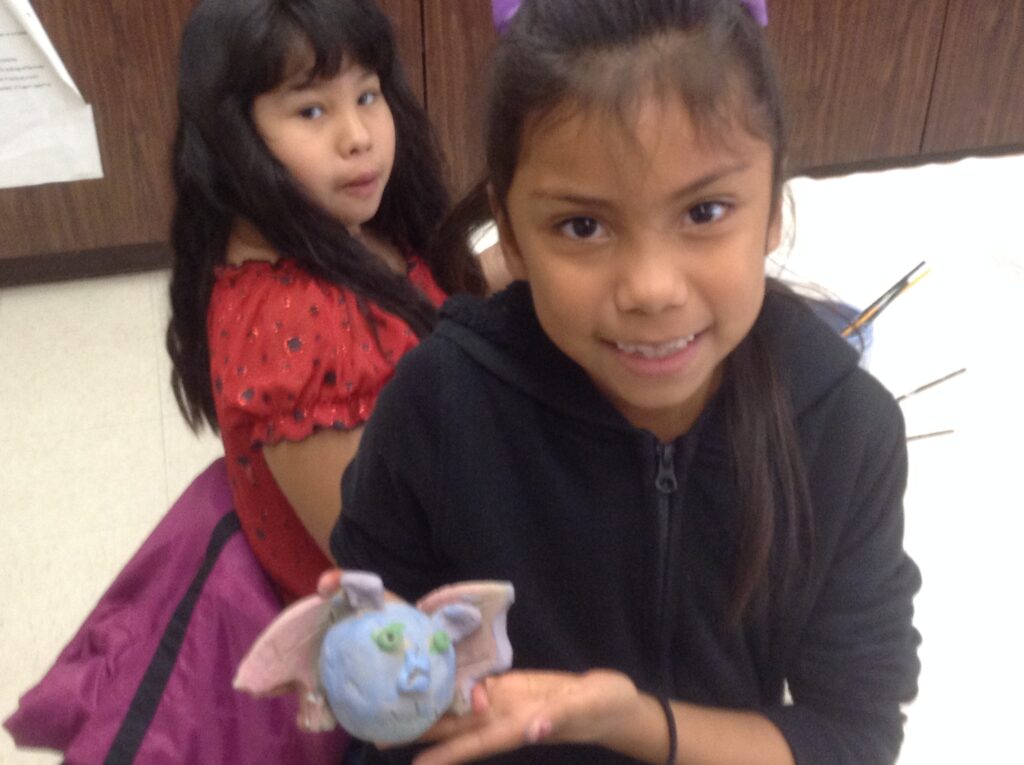
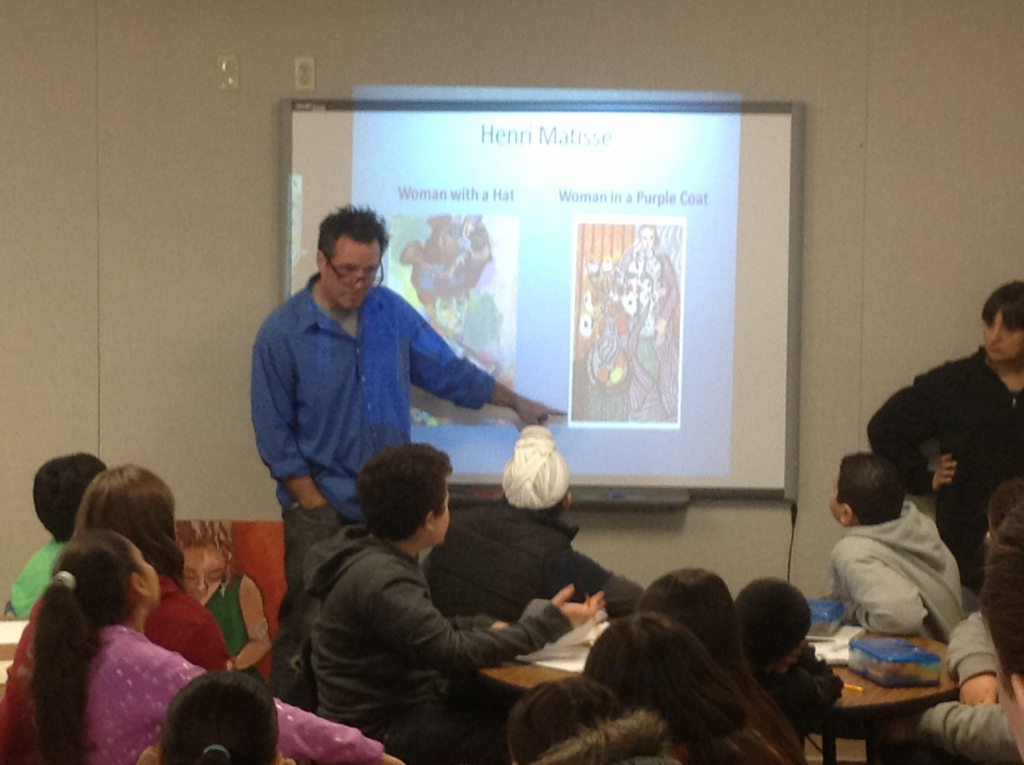
Kathy’s master’s thesis on multi-generational poverty proved to be an invaluable tool in understanding and addressing the challenges faced by her students. For twelve years, she tirelessly worked to enrich their educational experience. She successfully reopened the music program and introduced a diverse array of innovative initiatives, including a school garden, student-produced video productions, a 3-D printer program, a robotics program, and a drone program.
When she began, computers were a rarity on campus. Through her diligent efforts in writing and securing grants, and by carefully managing budgeted school funds, she acquired more computers each year. Eventually, every teacher had a laptop and printer, every student from first grade and up had an assigned Chromebook, and kindergartners each had an iPad. Recognizing that many of these students lacked access to computers at home, Kathy was determined to ensure they gained essential technological skills at school. She told them that if they prepare themselves, their future job hasn’t even been thought of yet.
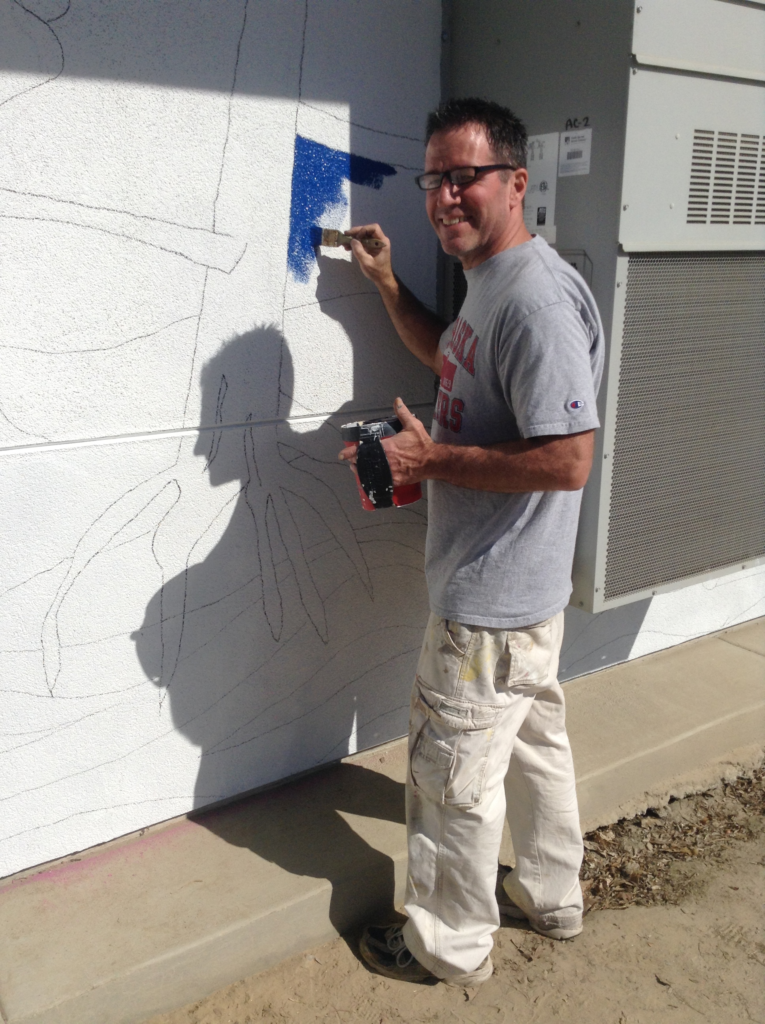
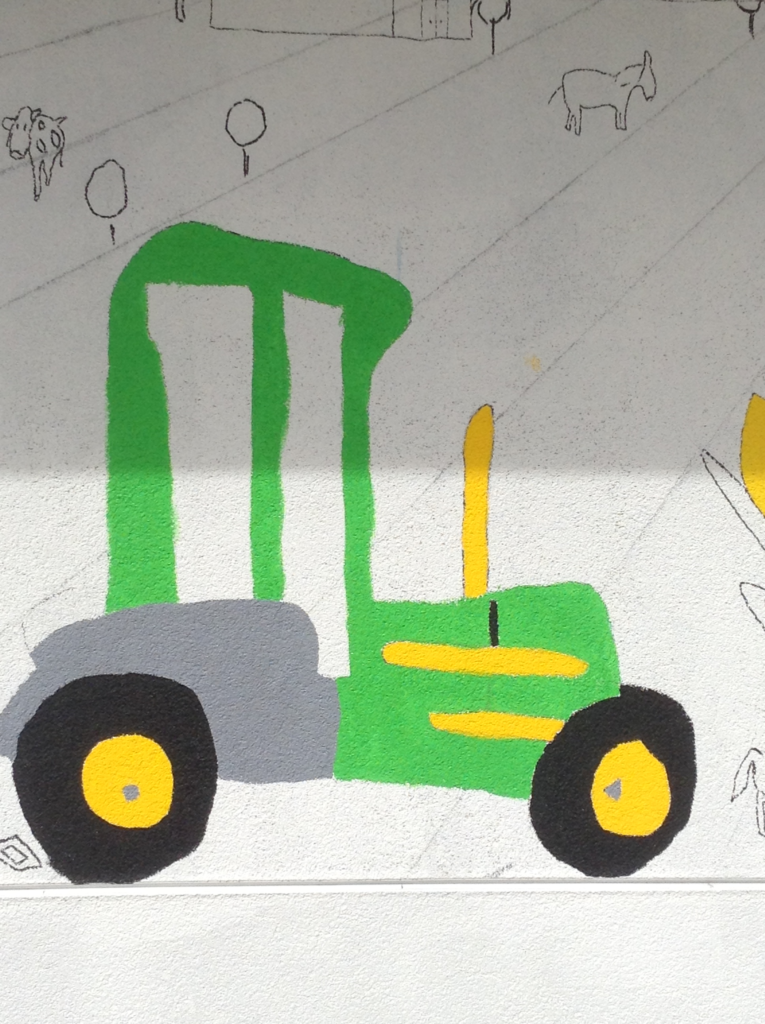
She was offered county grant money to create a mural at Kerman-Floyd. She got the superintendent’s blessing to add a mural. She found a great young artist who was willing to work with her kids to help put the first school mural up. Once completed, three more murals followed in future years. Later, as the superintendent was walking with her on campus he said that he only remembered approving one mural. Kathy’s answer, “I thought you approved putting murals on campus, not just one.” Sometimes forgiveness is easier than permission.
Make it a Great Day or Not…
Kathy instilled a powerful message of personal responsibility, concluding each morning’s announcements with, “Make it a great day or not. The choice is yours.” When a student was in trouble, one of her first questions was, “Did you choose to make it a great day today?” While no leader can reach every student, many were profoundly impacted by her guidance. One memorable instance involved a sixth-grader who was frequently in trouble, but Kathy ended a frank discussion with “I thought I taught you that.” He started to leave, then turned back to her and remarked, “You taught me a lot more than that, Mrs. Goodlad.”

Lion’s Pride Mural
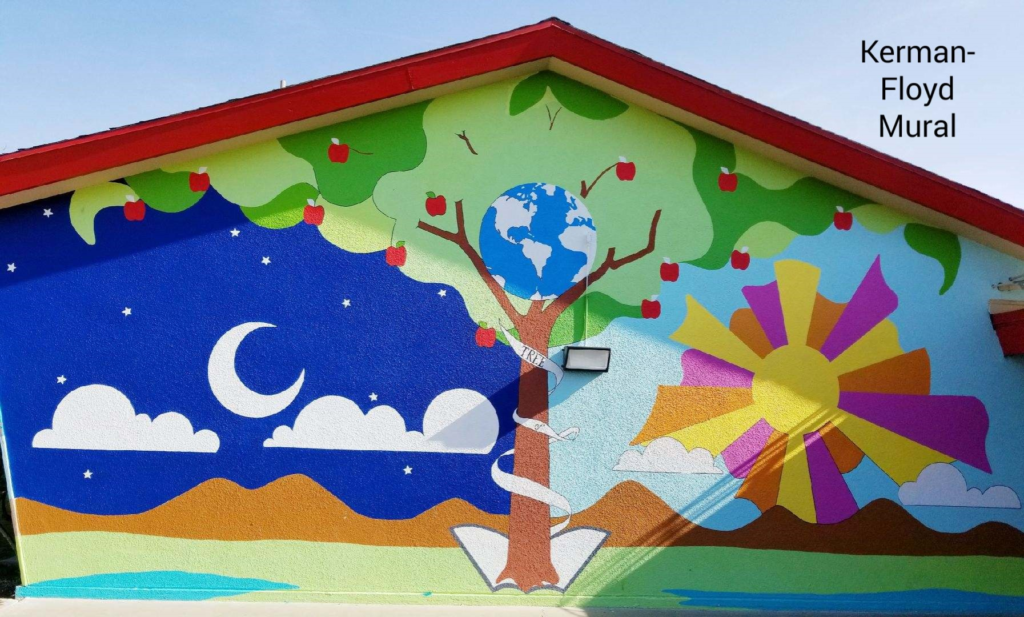
Tree of Life Mural
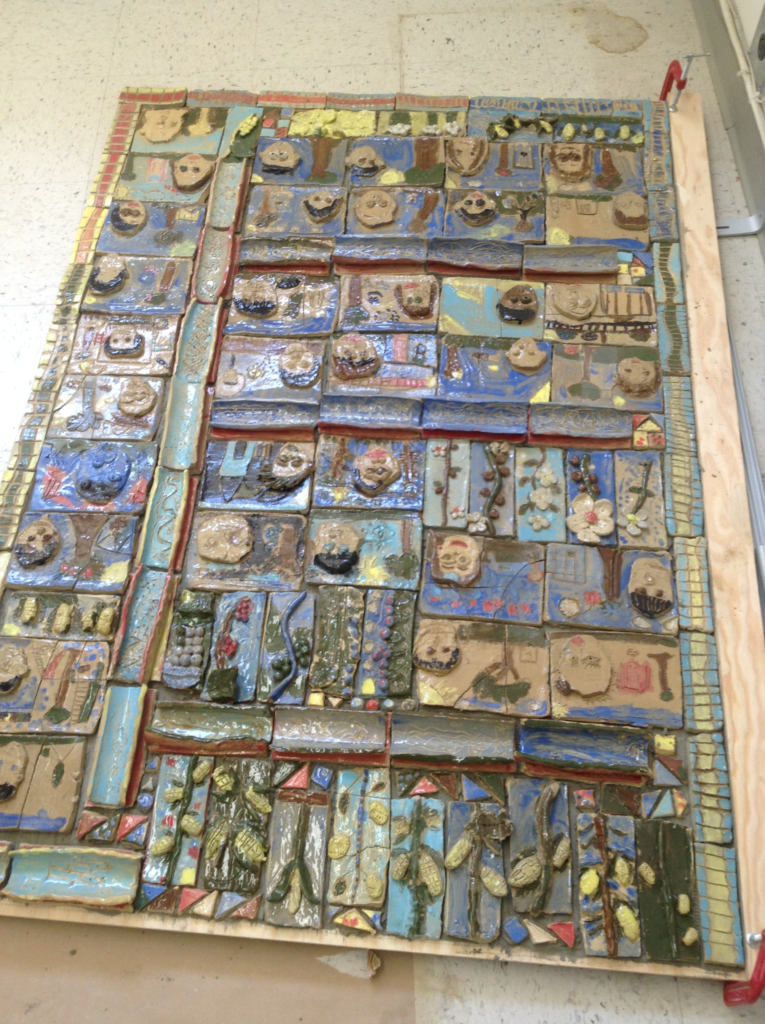
Mosaic Mural
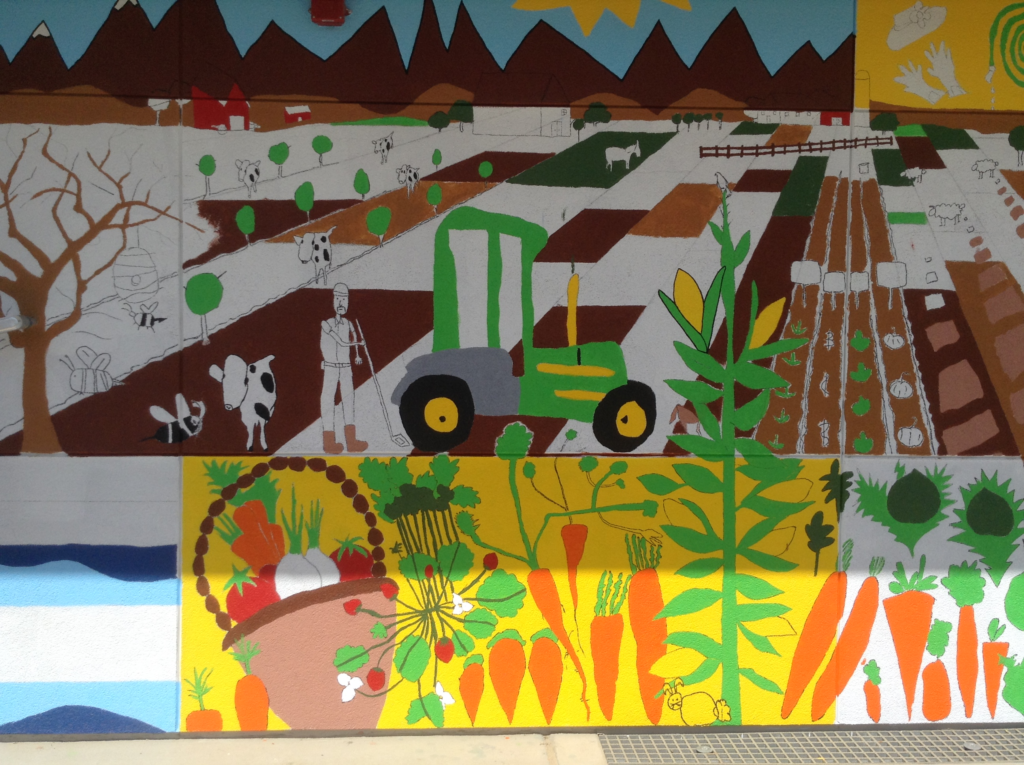
Crop Cycle Mural

Fostering Innovation and STEM Excellence
Kathy quickly recognized the immense potential in Marco, the school’s part-time technology specialist, and successfully advocated for his position to be converted to full-time with benefits. Marco knew his way around the campus IT needs, but he also recognized the role IT could play for the future of the students. Once he observed the students’ lack of typing skills, and initiated an after-school typing class on his own time. He also started an after-school video program where students learned to plan, shoot, and edit their own projects.
Kerman-Floyd’s students soon began to shine in competitions. In the annual Fresno County public service video contest, where sixth- to ninth-graders (including junior and senior high school students with formal video classes) competed. KF students produced a one-minute public service announcement about nutrition. They wrote and filmed a rap in front of a green screen, editing in the background—all done by students. Their dedication paid off, as they won the sweepstakes award, beating entries from all age groups, including high school! The following year, they secured first place in their age group. Notably, the second-year winning film was written, filmed, and edited by a fourth grader. Since he was younger than the age guidelines allowed, Kathy obtained special permission for him to compete, and he impressively took first place in the category.
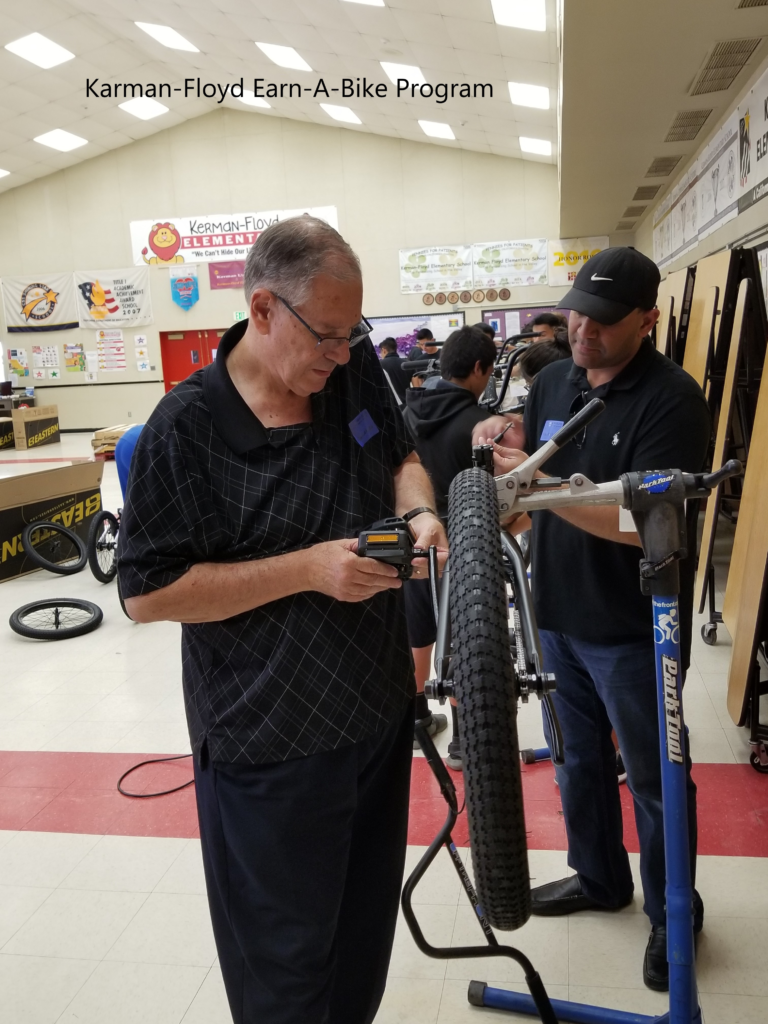
Earn A Bike
The “Earn A Bike” program is sponsored by a California charity. Through the program, fourth-grade students, working one-on-one with local business leaders, worked on attendance, grade, and behavioral goals. By meeting the goals for the year they would be awarded a brand new bike and helmet at year-end. They met with their mentors every few weeks to report on goal progress. All fourth graders were entered in the program, only four fourth graders did not earn their bike. The charity, which was working with many California schools, was astonished because no school had this kind of success rate before. I got to join Jag, the husband of Kathy’s assistant principal, in assembling the bikes. I remember one boy at the award ceremony said, “I never thought I could own a bike.” Great program.
Caw Caw, Caw Caw
Kathy always wanted to know when the District Superintendent was on campus. So the code was that when he passed through the office the receptionist would get on the loudspeaker system and announce, “Caw Caw, Caw Caw.” When that came over the system Kathy knew to watch for him. After a few years of doing this, the superintendent sat next to her in a meeting, leaned over, and said, “Caw Caw, Caw Caw.” Letting her know he figured it out. That didn’t stop to code going over the loudspeaker though.
Writing Grants and Counting Pennies
Kathy became a tenacious grant writer. Her method was direct: She would recognize a need. She would obtain a grant. She would ask Marco, “What do you know about 3-D printers?” Or robotics, or drones. When he admitted, “Nothing,” she would tell him, “Time to study because they just awarded us a grant.”
A Kerman-Floyd student team participated in an international robotics competition, where robots were tasked with performing assigned tasks and submitting video evidence of completion. Starting with 6,000 international teams, the KF team achieved a remarkable 125th-place finish. In one challenging assignment, their robot was physically unable to complete a task. A fifth grader, who had arrived from India just two years earlier speaking no English, designed a limb for the robot using CAD on a school computer. He then printed it on the school’s 3D printer, enabling the robot to complete the task. This same student later became a successful member of the school’s drone team. When his family moved out of the district, he took it upon himself to interview prospective principals, assessing whether the new school could match the innovative environment he experienced at Kerman-Floyd.
Big Commitments, Big Rewards
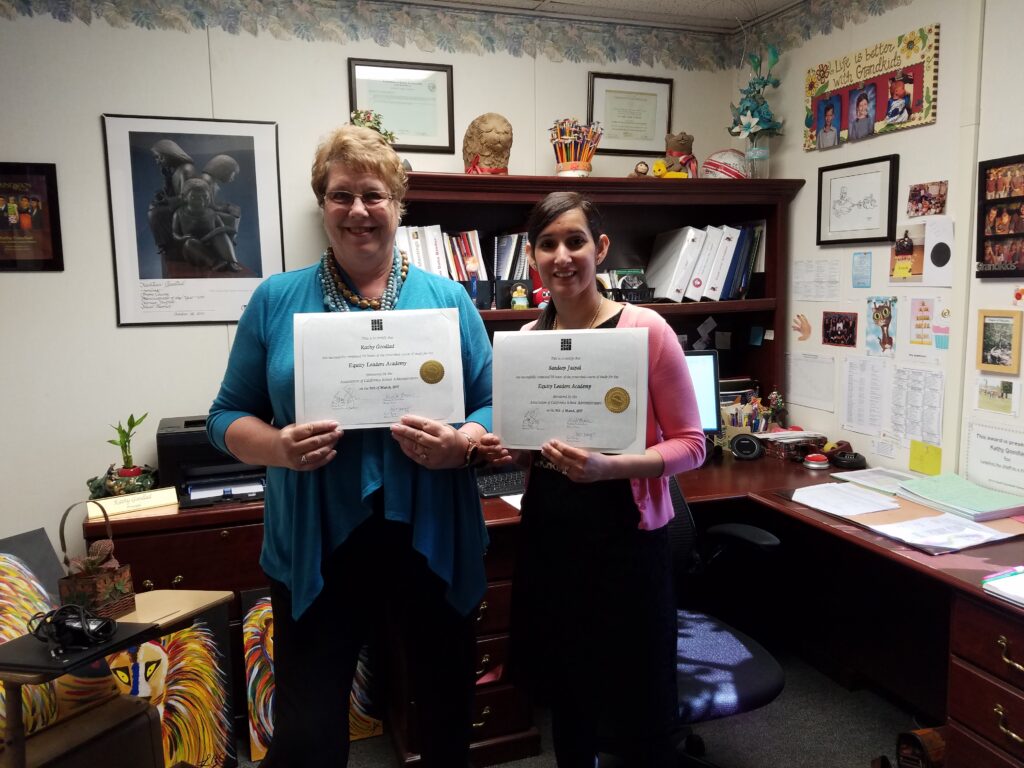
Kathy and her assistant principal, Sandeep, completed a challenging class on computer usage in the classroom, which sparked a vision for what their school could achieve. At Kathy’s request, the Fresno County Office of Education provided computer training to the Kerman-Floyd staff, one grade level at a time. Training by grade level was a new concept that Kathy engineered and proved to be very effective because each grade level had different needs. The county expanded this method to the entire county. These efforts, combined with successful grant applications and careful budget allocations, steadily integrated technology into the campus.
Kathy recognized the vital role computer skills would play in her students’ future job prospects. Many KF teachers initially lacked computer literacy, with some not even knowing how to get on the internet. Yet, they embraced the change. One teacher excitedly shared with Kathy her discovery of the right-click feature of her mouse. This same teacher later grew so she could mentor new staff members on campus computer usage. Kathy’s staff became enthusiastic and discovered they were consistently ahead of the educational curve, often attending training where they realized they had been using the “new” tools for years. A teacher once told Kathy that they all knew if the staff brought her an idea, and data that could prove it would help students, Kathy would find the money for it.
School Garden
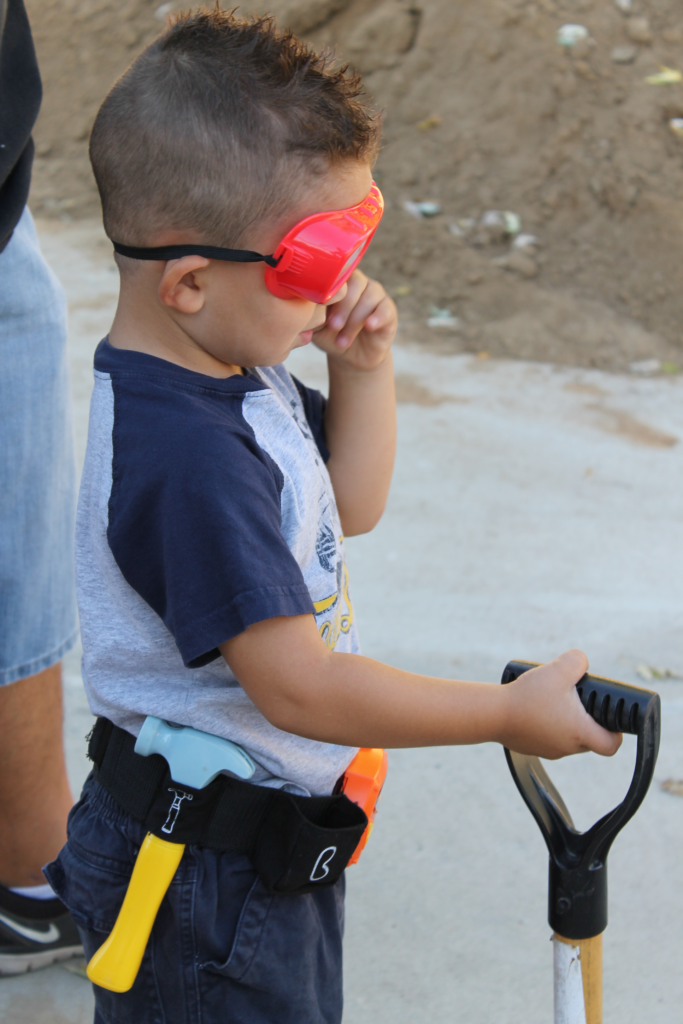
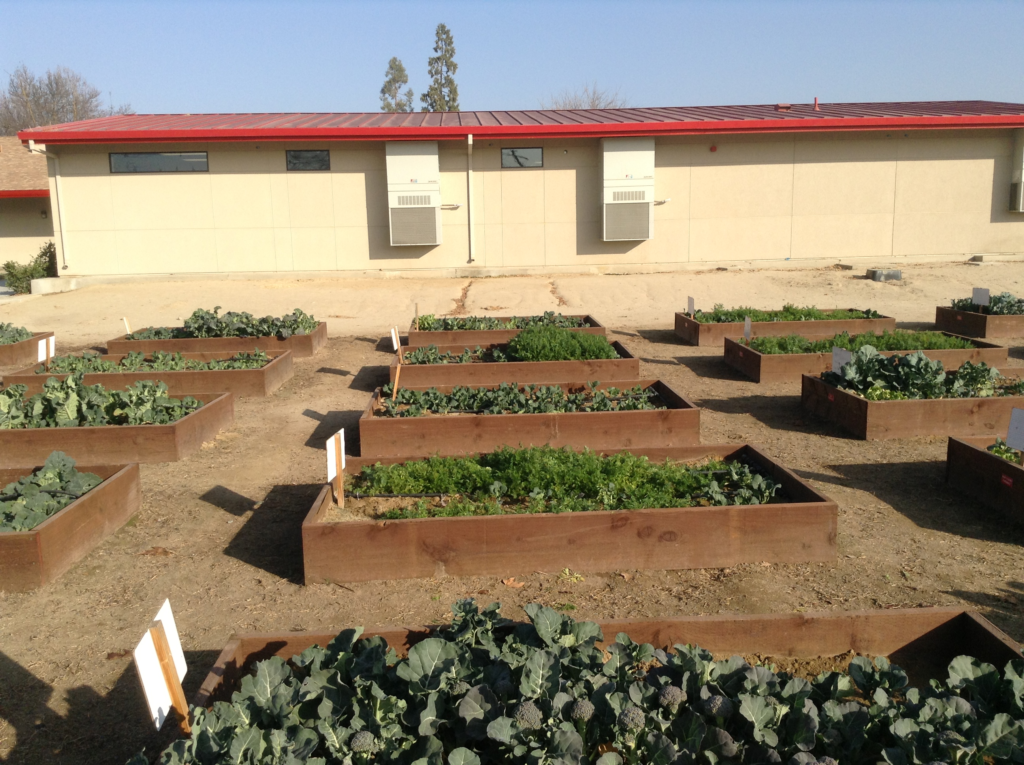
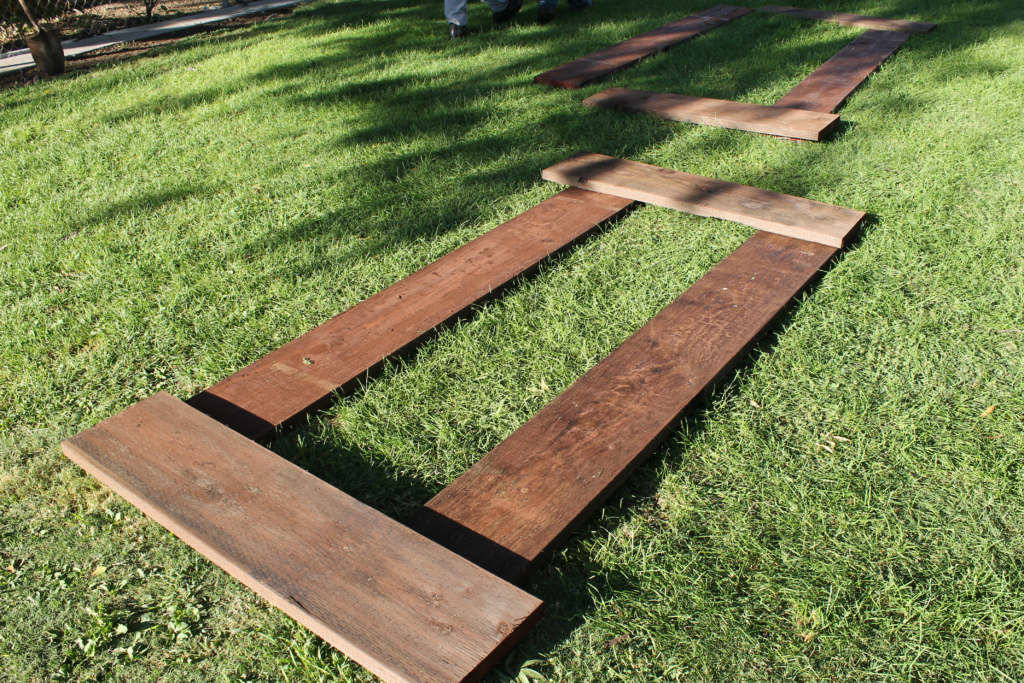
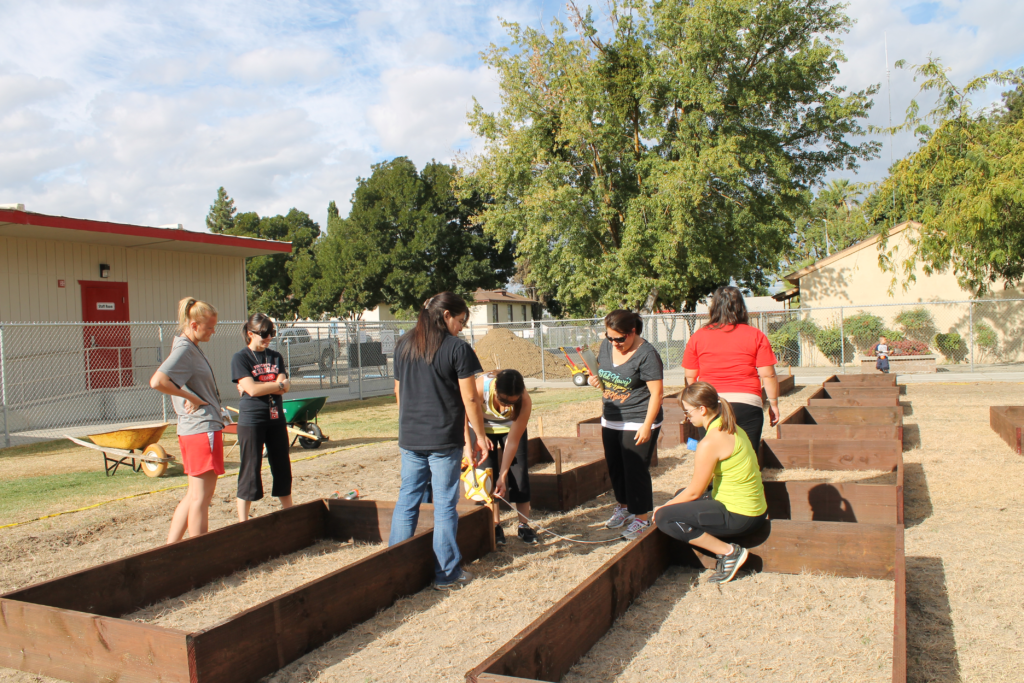
Kathy also initiated a school garden project, garnering significant community support. Vendors donated materials, and parents volunteered to build twenty-five 4′ x 8′ raised garden beds. Each teacher who desired a garden could integrate it into their class projects. The Goodlad sons installed the irrigation systems with parts and plans donated by a local irrigation vendor. This level of community engagement was unprecedented for Kerman-Floyd.
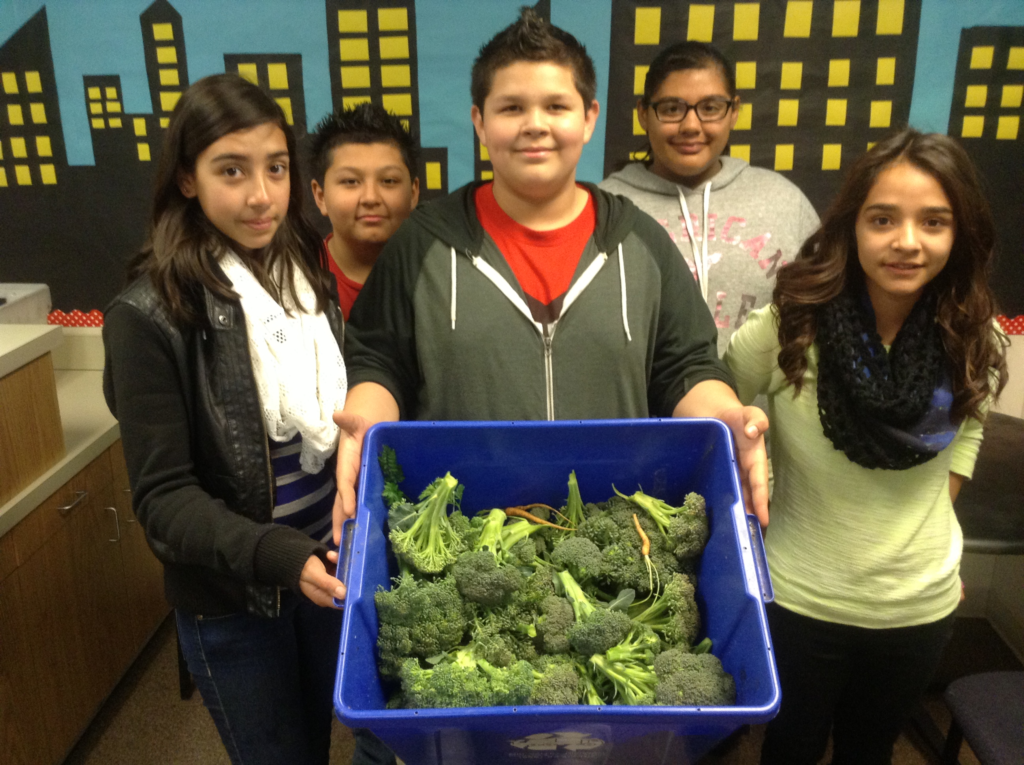
A few months later, the gardens were vandalized over a weekend. Vegetables were uprooted, the soil was overturned, and bikes were ridden through the beds. A sixth grader who had been associating with troublesome peers, approached Kathy about the vandalism, nearly in tears. He offered to help rebuild with his friends. Kathy, sensing an opportunity, asked him to be the school’s garden captain. He embraced the role by studying gardening, consulting teachers about planting and harvesting, and reporting irrigation issues. He and his friends often weeded during recess. When the Lions Club and school board members visited, the garden captain led the tours and answered questions. Years later, at a tri-county educational administrator’s professional group, Kathy’s former garden captain, now a champion shot putter, received an award for overcoming the most to succeed at school. And he was college-bound.
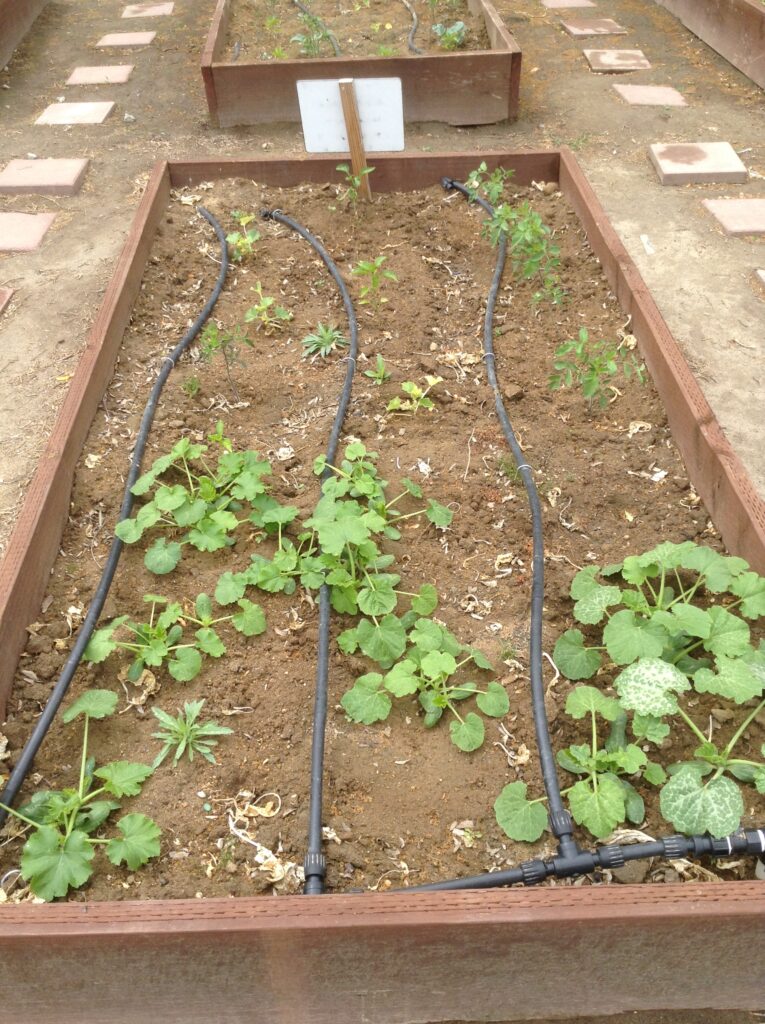
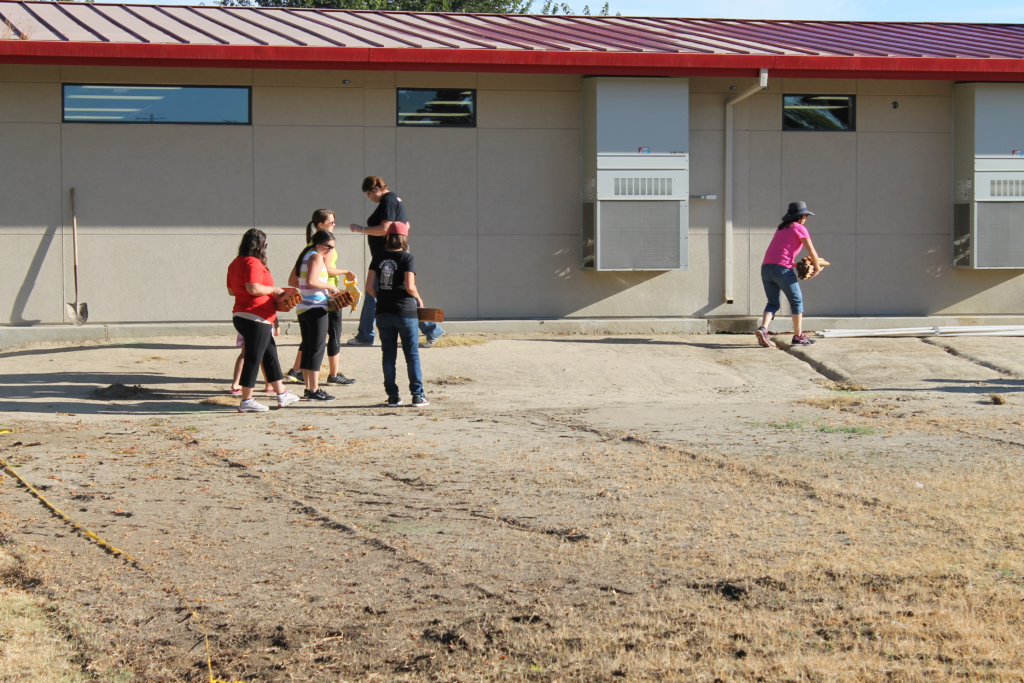
Building a School Garden
Retirement and Lasting Legacy
Each fall, Kathy consistently received Divine prompts regarding the focus for the upcoming school year. This occurred annually for all twelve of her years at Kerman-Floyd. However, for the 2018-2019 school year, no such prompts came. In November, the prompting she received was to wind things up and retire. She kept this decision private, only informing her assistant principal, knowing that an early announcement would diminish her effectiveness as a “lame duck” administrator.
During this final period, she was disheartened upon learning of her superintendent’s apparent lack of recognition for Kerman-Floyd’s significant accomplishments. It seemed socializing off campus with the boss held more weight than actual contributions on the school site. Despite this, Kerman-Floyd was widely lauded across the region for its successes. The Fresno County Office of Education frequently invited leaders from other schools throughout the state to witness the achievements.
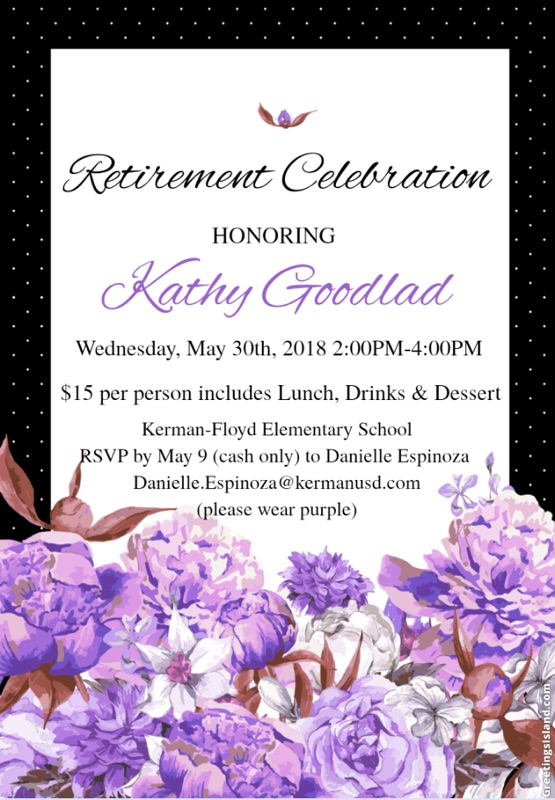
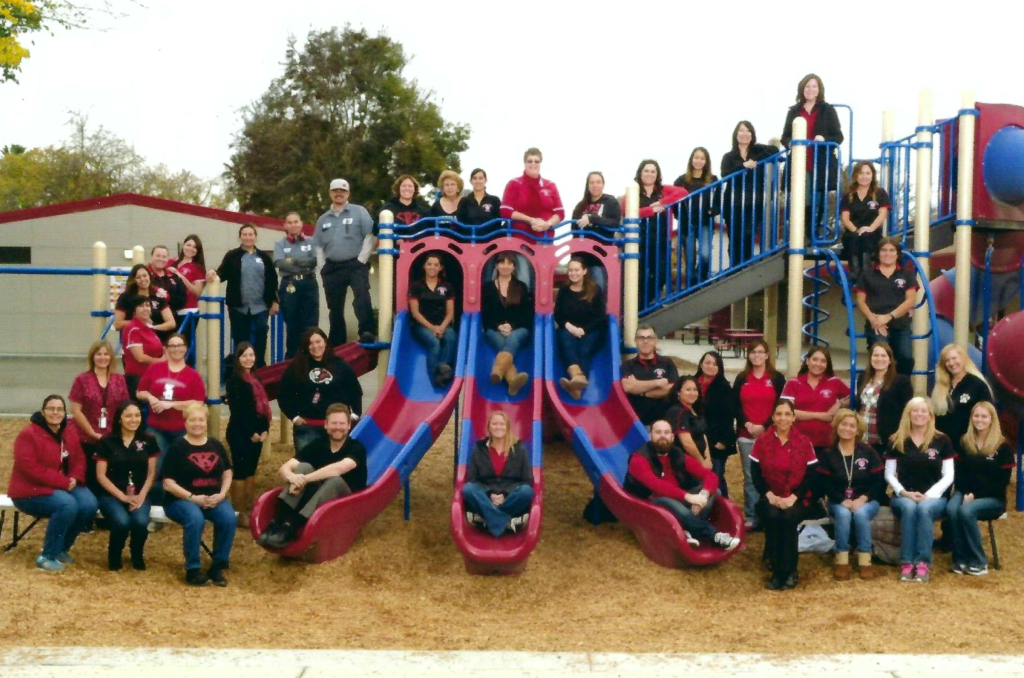
At a regional school administrators’ meeting that included a retirement party for several retiring leaders, her superintendent spoke but offered minimal acknowledgment of Kathy’s accomplishments, instead lavishing praise on another retiring principal who was a social friend. However, the superintendent of another district spontaneously stepped forward and spoke passionately about Kathy’s accomplishments, having long been a vocal admirer (having even once offered her a position in his district) and feeling the silence was unfair. For Kathy, the most important thing was knowing she had done her best for her students. She sometimes wondered if she should have pursued promotions to the district office, but always concluded she would have been unhappy, so far removed from the kids.
Her staff insisted on a school retirement party, which Kathy chose to host in the school cafeteria to ensure that no alcohol was present; it was catered by a local taco truck. On her last day of school, the entire student body quietly gathered outside her office. As she walked outside, they shouted, “Make it a great retirement or not, the choice is yours!” A fitting tribute to a principal who empowered her students to make their own choices for a better future.
The story of Kathy & Ron Goodlad
© 2025 The Goodlads