

Our Start in Bellflower California
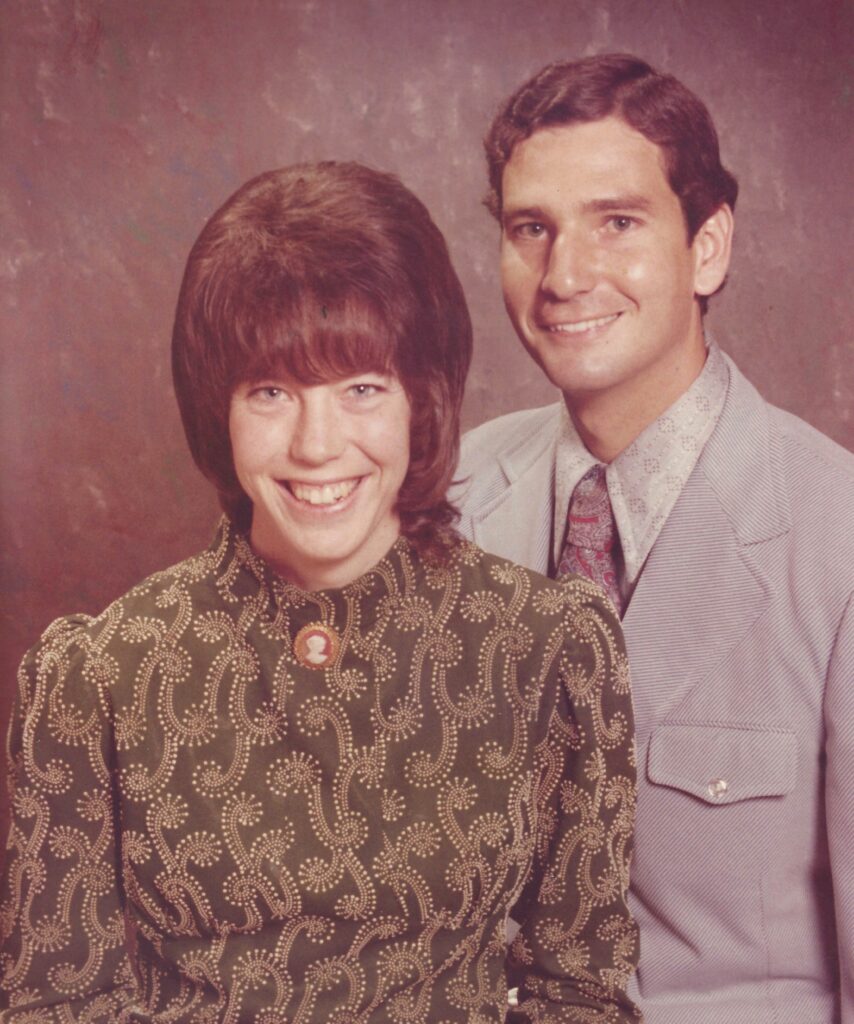
Moving just a city over from Lakewood we started in Bellflower, California where we learned to share chores, stories, and started becoming one.
Rose Street
We honeymooned in the Mammoth Lakes area. We went on hikes and explored earthquake faults. We enjoyed the countryside together. Then I suggested we play “horse” at the basketball court where we were staying. She destroyed me on the court. That set the stage for me to know she would never back off to stroke my manly ego.
After our return home, we moved into the Rose Street house near Lakewood Boulevard that we had rented from a woman in her 90’s. Then there were the realities of early married life and renting. Once, when our roof began leaking, our landlord’s husband and his older brother came to replace the roof. We thought there would surely be at least one death up there on the roof. But no one died, and the leaks stopped.
Another time, the bathroom faucet began leaking. The husband also made that repair. He did not bother to shut off the water supply when replacing the faucet. Water poured everywhere and generously beyond the bathroom and into the living room. Once he finished up, we spent the next several days drying out our floors and ridding ourselves of the musty smell.
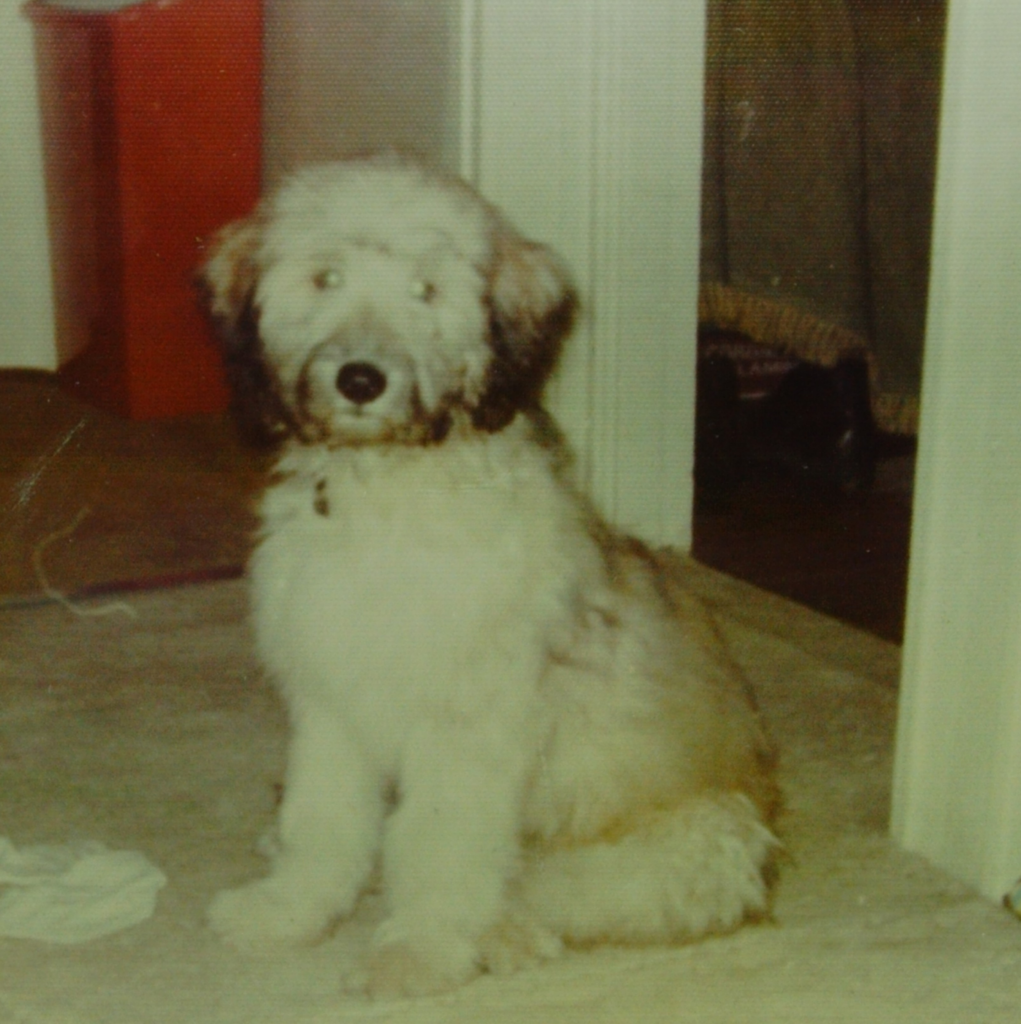
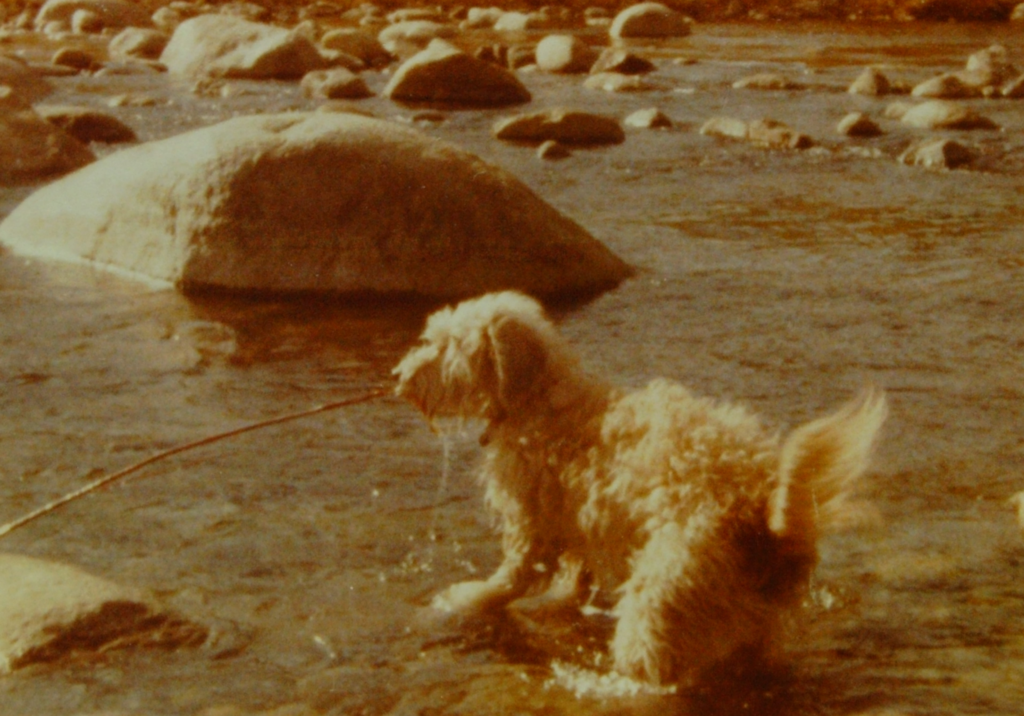
Once, as we were leaving a hardware store, someone was giving away a puppy. She was cute and fluffy and came home with us. We named her Scamper. She became a neighborhood favorite, and we were known as Scamper’s parents.
We soon moved next door to an identical house but with a different landlord. We could remove our things from one home and place them in the same spot in the second house. Our new landlord was a long-time family friend who had a rule against pets in the house. We managed to sneak Scamper inside sometimes. Our landlord liked her and looked the other way when she made it inside. He owned the catering business that catered our wedding. We often worked at his catering gigs to make extra money.
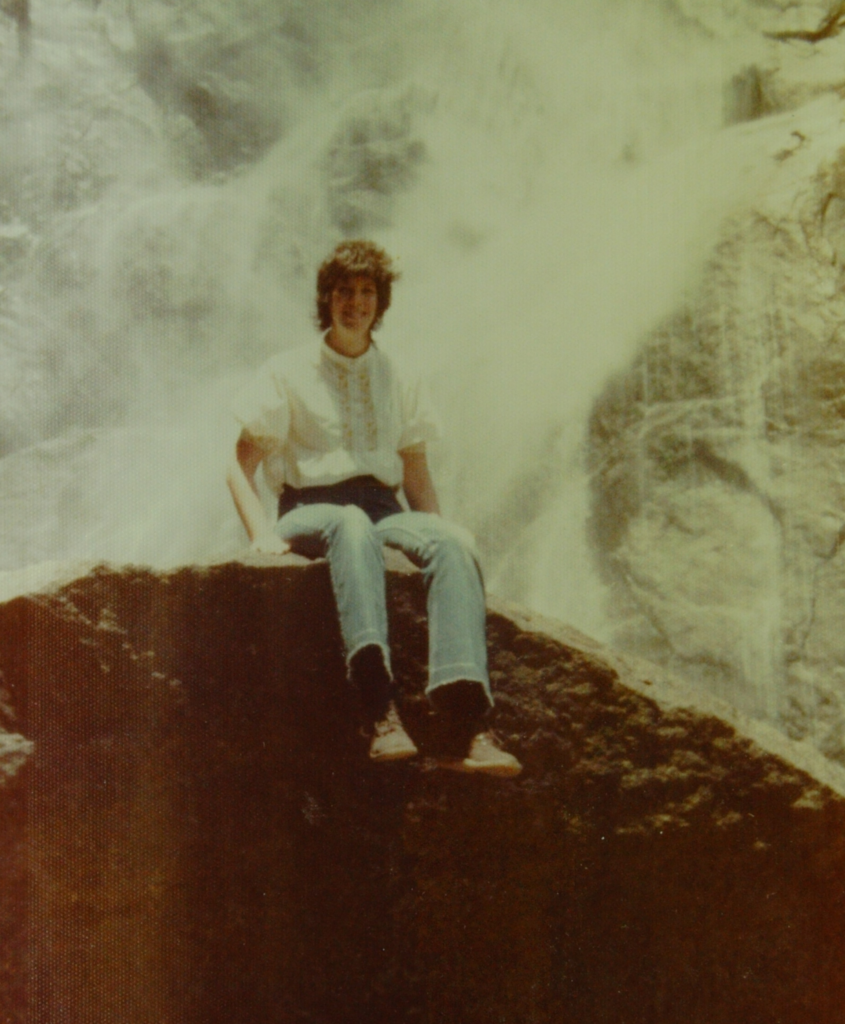
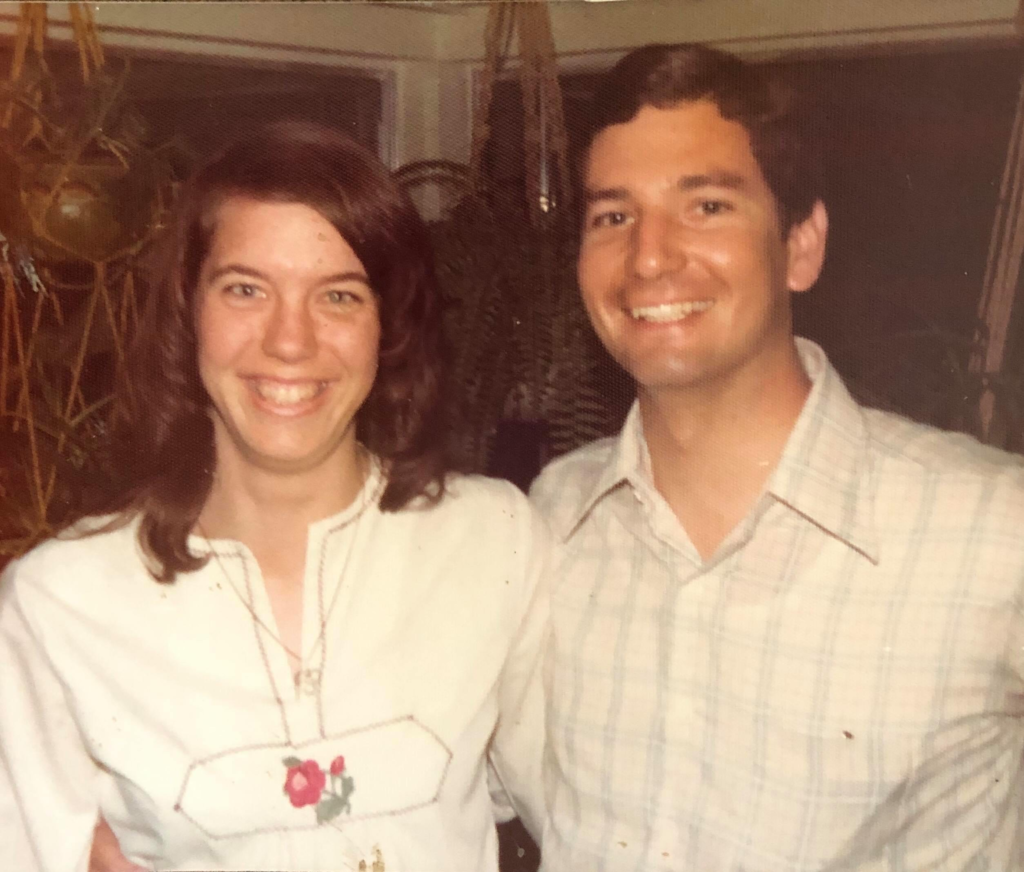
Kathy had a career in teaching. I also needed to find a career. I wasn’t particularly interested in college, and my first inclination was to become an apprentice auto mechanic. My parents strongly discouraged this. Dad’s lack of formal education caused him to be treated with bias his entire life. He wanted to ensure I wouldn’t face similar biases and that I would be college-educated. I reluctantly agreed. My mother, a bookkeeper, encouraged me to explore accounting. This turned out to be a good career direction, and I did well in classwork. After completing a few classes at Cerritos Community College, I continued my education in Long Beach at the California College of Commerce. I rode a bike between home and school, which are about 12 miles apart, crossing over Signal Hill with its substantial sections of uphill and downhill terrain.
A year into my accounting studies, I secured a full-time accounting position at Pacific Valves in the evenings, allowing me to attend school during the day. This was a clear answer to prayer and a God-given opportunity. It provided real-world learning, introduced me to computers, and gave me the quiet time needed to finish my homework. When graduation arrived, the Lord had already positioned me with two solid years of professional experience under my belt.
The state of California would not recognize Kathy’s elementary education major and issued her a temporary teaching credential until she completed a major that they would recognize. She chose to switch from a music minor to a fine arts major and attended California State University, Long Beach, to complete her studies. Certainly, classes like “The History of Rock and Roll” helped her to be a better elementary teacher. She took an art class that had a strange instructor. Each student was required to submit their assigned artwork, and upon submission, the instructor would grade it. An F would count as 50%. However, he often refused to grade the art piece and gave it a 0% grade, much lower than an F, if it didn’t meet his objectives.
Once, the assignment was to create a nude sculpture. This was a dilemma for Kathy, as it didn’t align with her values. Kathy asked the instructor what qualities and skills he hoped she would accomplish with the sculpture. He gave her the skill set he hoped to see applied. Kathy decided to do a sculpture of a boy sitting on a rock, fishing. She turned it in, expecting a zero. Everyone in the class except her got a zero. Kathy’s sculpture was the only one to get a passing grade.
Artesia Court: Our first fixer-upper
It was a humble yet great start, and our first experience flipping a dilapidated home.
We were young, broke, and naive, but we had a goal: to stop renting and start building. With a teacher’s salary and my entry-level accounting wages, the math didn’t add up. Most people saw a budget that couldn’t buy a house; we saw a challenge. Dorothy Benson, our realtor, didn’t just find us a house; she found us a mission.
That 900-square-foot fixer-upper on Artesia Court was our first lesson in providence. We weren’t just slapping paint on walls; we were learning that when you are willing to do the hard, messy work, doors open. We replaced the electrical, the roof, the carpets, and the landscaping. It was back-breaking work, but it was also the first time we realized that we weren’t alone in our struggle. When family and friends showed up to paint, it wasn’t just manual labor—it was community. We started to see that God’s “goodness” wasn’t a sudden miracle that dropped a house in our laps; it was the strength He gave us to work for it, and the people He placed in our lives to help us carry the load. We bought it for $17,500 and sold it for $33,000, but the real profit wasn’t the money. It was the unshakable realization that even in the face of impossible odds, we could overcome. This was a huge victory for us as a united couple, backed by family, friends, and the kindness of God.
My ongoing passion for cars provided some of our earliest lessons in teamwork. While living on Artesia Court, a body shop across the street had put a 1963 Porsche 356 for sale for $3,600. I wanted the car, and Kathy thought I should buy it, but I ultimately passed because I felt the interior was too small for my height. In good condition, it would be worth well over $100k now. Maybe I should have just accepted being a little crowded, though with my history of vehicles, I likely would have moved on to another project anyway.
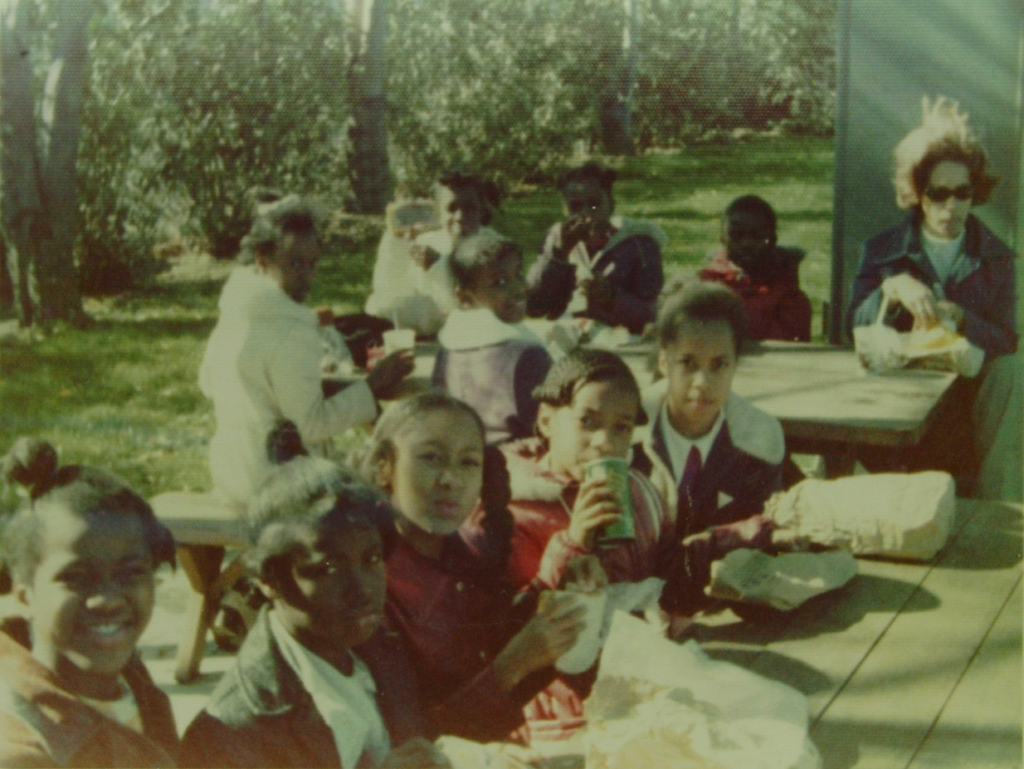
Kathy taught for three years in central Los Angeles. A new school principal came in her third year, who thought that only African American teachers were capable of teaching African American students. He took every opportunity to criticize and embarrass her and the six other non-African American teachers at his school. She had been excellent with the kids, but her principal didn’t want her in that neighborhood. She burned out from the fight and decided to work elsewhere after the year ended. She planned to return to teaching but needed space. But her experience with the students here affected her as an educator for the decades to come.
Seeking a fresh environment after the burnout of teaching, Kathy transitioned into corporate manufacturing, taking a position as a buyer for a manufacturing company. She was a great buyer but felt out of place. There was a time, though, that they asked her to order 100 washers. She ordered 100 pounds of them instead. She was teased about that for the rest of her time with the company. That’s a lot of washers. They may still have some of that stock.
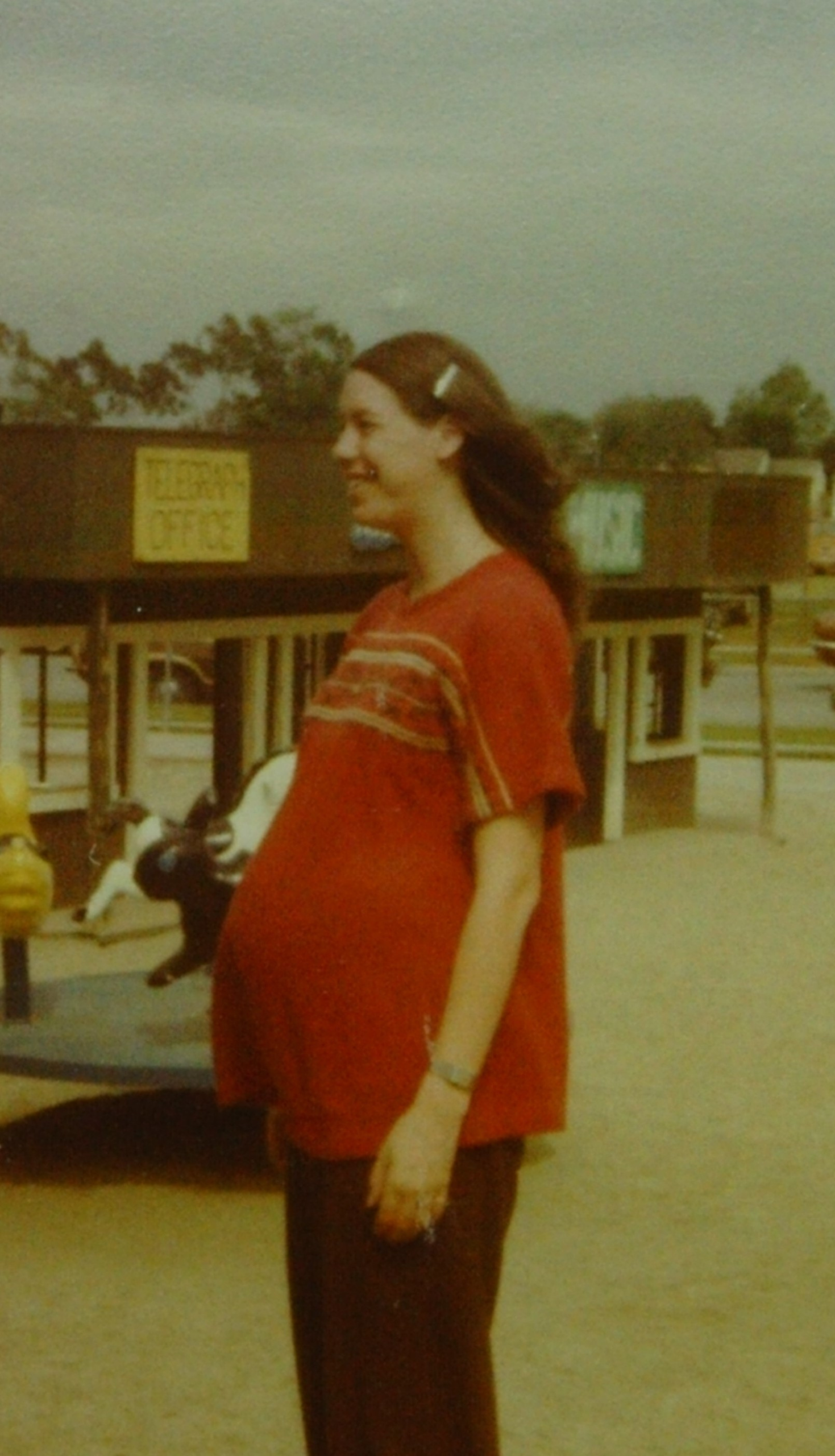
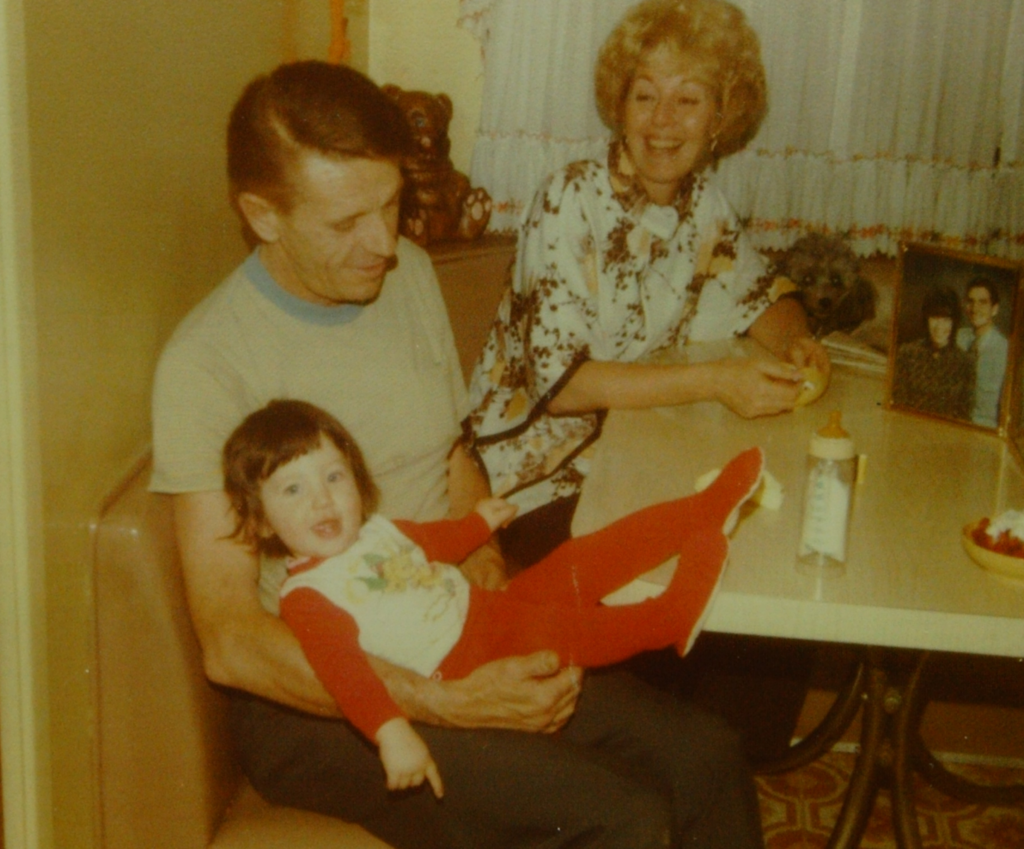
While building our foundation, our deepest desire was to become parents, but every pregnancy ended before reaching the three-month mark. Kathy’s patriarchal blessing promised children, making these repeated miscarriages an agonizing test of our faith. In those dark moments, we had to trust that Heavenly Father’s promises never fail, even when His timetable differs from our own. Four years into our marriage, the Lord answered our prayers when Kathy carried Melissa to full term. Welcoming our daughter safe and healthy reminded us that through every heartbreak, God carries us through and delivers blessings far greater than our sorrow. And we were given time to prepare for this day when Kathy chose a career as a homemaker.
Our little house would not hold three people, so we started looking. I had graduated from college by then, and we were able to afford something larger. Parenting was a role Kathy and I had long hoped for.
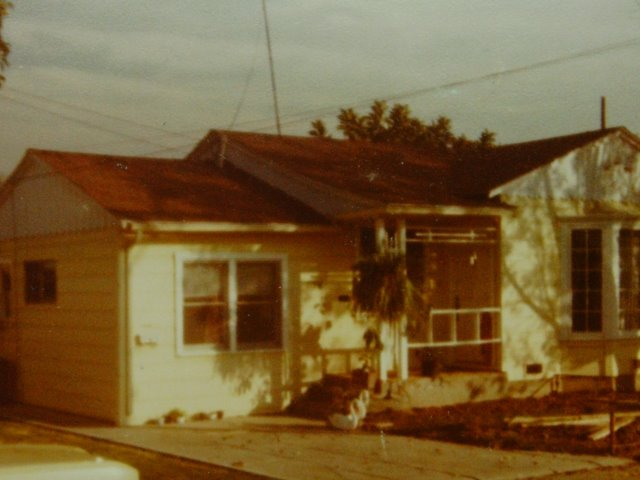

Beach Street: A bigger fixer
The first fixer-upper went pretty well, why not try another?
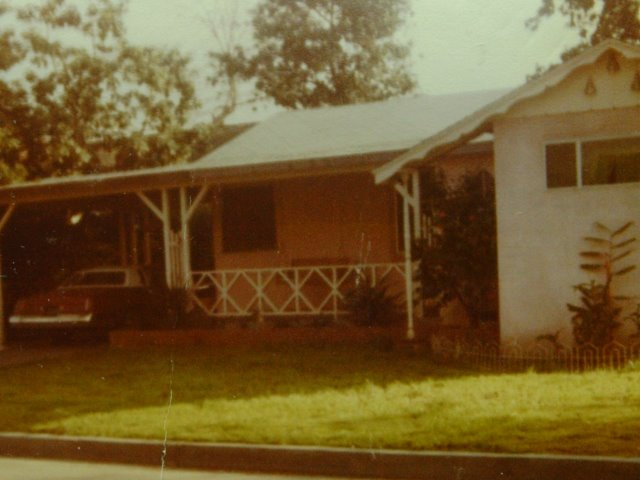
Our transition to Beach Street marked a season of profound testing—not just in home renovation, but in our communication and family identity.
As Kathy was winding up her career outside the home, I spotted a 1964 Triumph TR4A at a car lot. Remembering my regret over the Porsche, I bought it on impulse and brought it home without discussing it with Kathy. She was understandably unhappy with the decision. I took it apart to restore it, but before I could get it back together, I realized we simply couldn’t afford the restoration on a single income. I ended up selling the car in pieces for much less than I had paid for it. I was still learning how to think “we” instead of “me.” This lesson in unity would serve us well in difficulties that eventually came.
Those lessons in unity were tested immediately as our family dynamics grew complicated. The Church asked us to become foster parents to a teenage girl from a Native American reservation, and she came to stay with us for part of the school year. We were incredibly green; we had never been parents before and were still getting to know each other alongside our own newborn, Melissa. We were simply not yet equipped for the unique challenges that came with a teenager. When we received a $200 phone bill—a massive sum back then—due to her undisclosed long-distance calls around the country, she was placed in another home. I have thought about her often over the years, hoping she found a home that could give her the precise love and guidance she needed.
Meanwhile, my professional path was presenting its own set of trials. Upon graduation, I was hired by a CPA firm where I specialized in dairy clients. My relationship with the firm’s management quickly deteriorated. Many of their clients had previously received poor-quality accounting work from inexperienced staff who had since moved on. Out of professional integrity, I spent significant extra time correcting their books to ensure they met proper standards (now GAAP). Management, however, did not understand or appreciate the additional hours spent fixing past inaccuracies. Slowing down to correct broken books became a defining theme that directed the rest of my career.
After a year, I moved to Stauffer Chemical Company, from which my dad and grandfather had both retired, making me a third-generation employee. I enjoyed Stauffer and learned an immense amount. After a few years, I was up for a promotion and a transfer to a chemical plant in South Carolina, traveling to Delaware for the interview. They made an offer, but the terms were so vague I didn’t even recognize it as a formal job offer, and I did not accept it. Because of that miscommunication, I was no longer in the pool for advancements. It was time to move on.
Looking back on our years in Lakewood and Bellflower, we saw God’s hand shaping our marriage, our faith, and our reliance on one another. Stepping out from familiar family umbrellas to move to Utah was a leap of faith, but we made it with the steady confidence that no matter where the Lord led, He would guide us through every unknown and land us on solid ground.
The story of Kathy & Ron Goodlad
© 2025 The Goodlads