
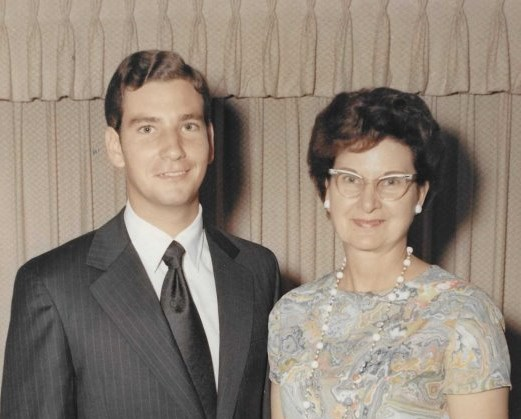
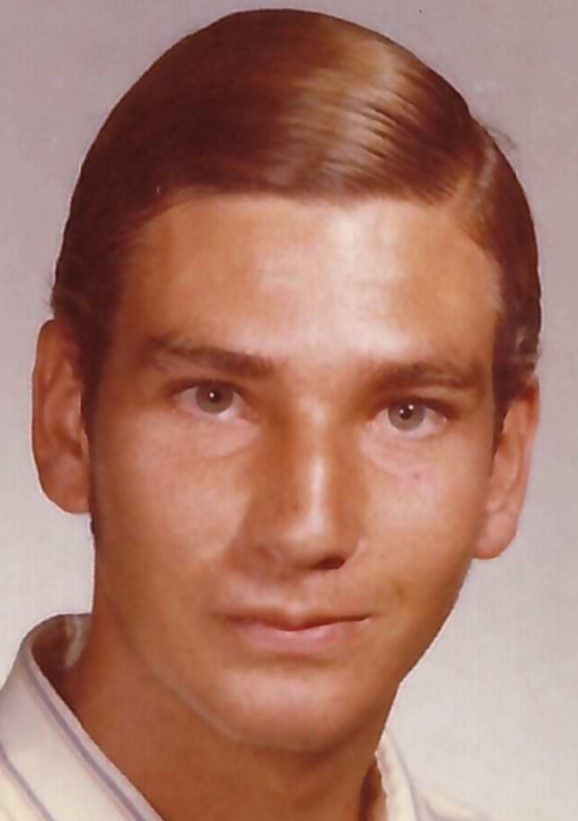
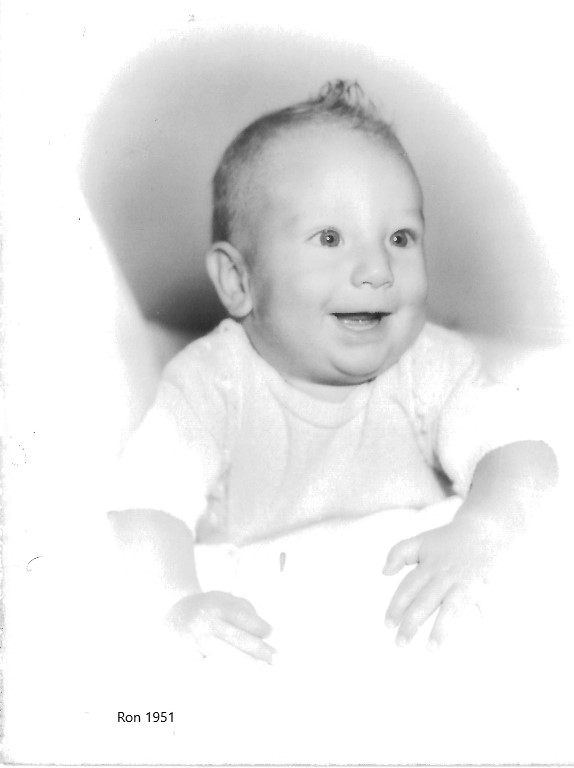
ron before Kathy
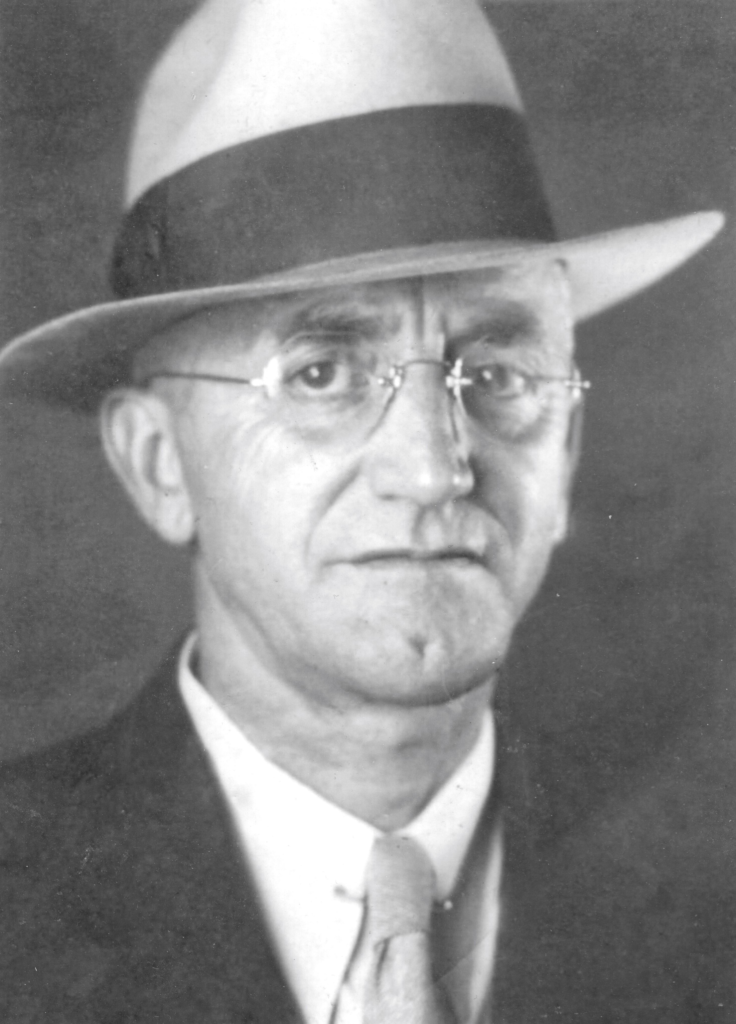
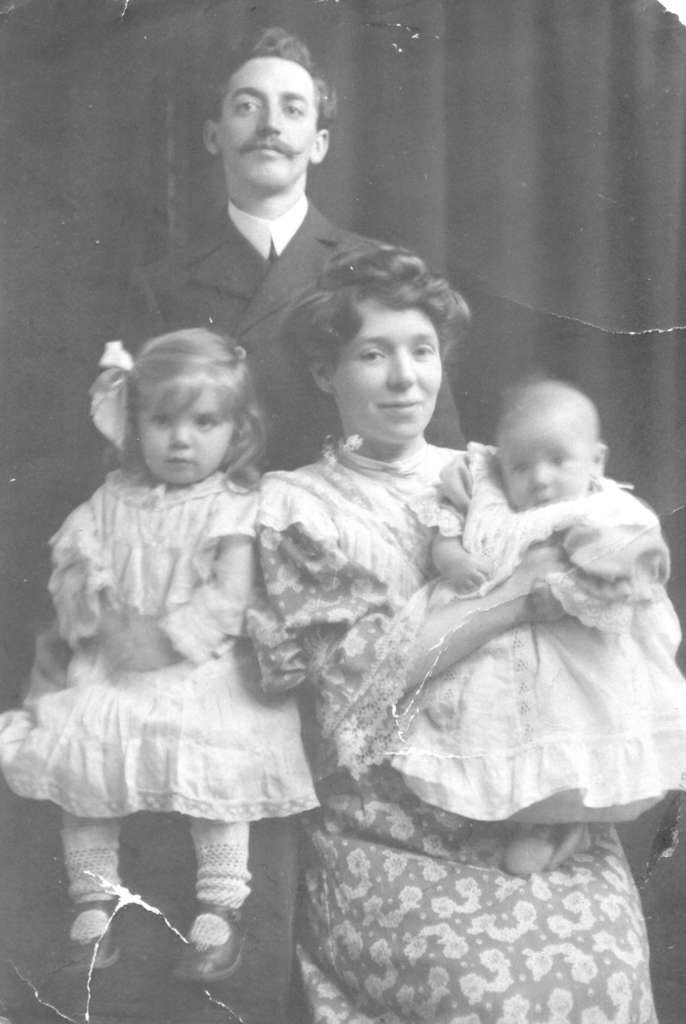
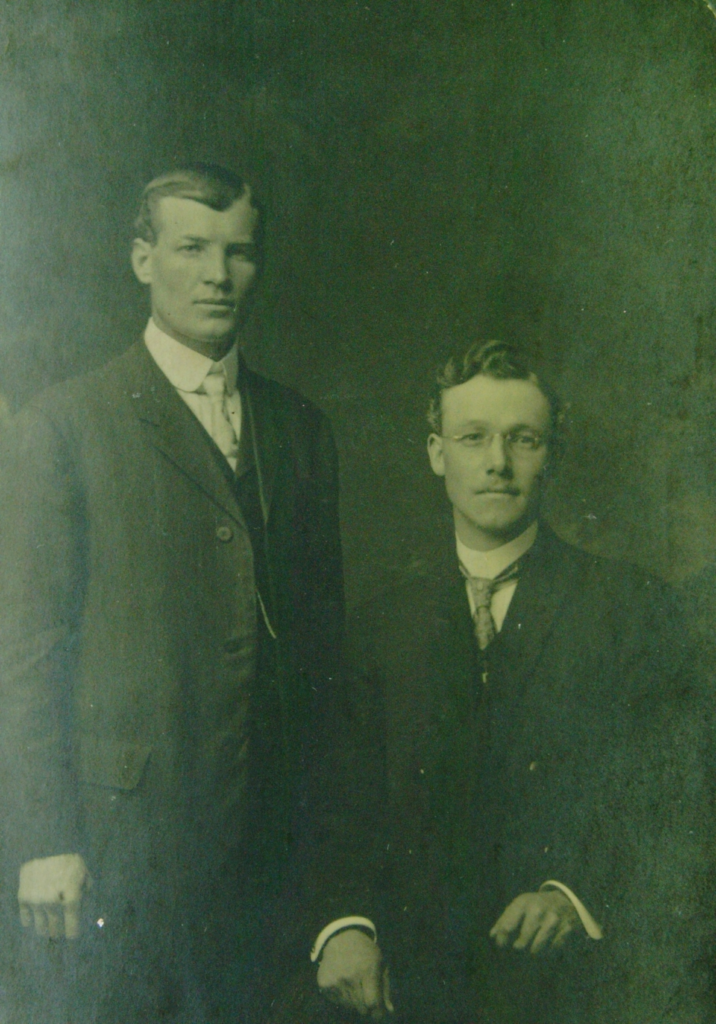
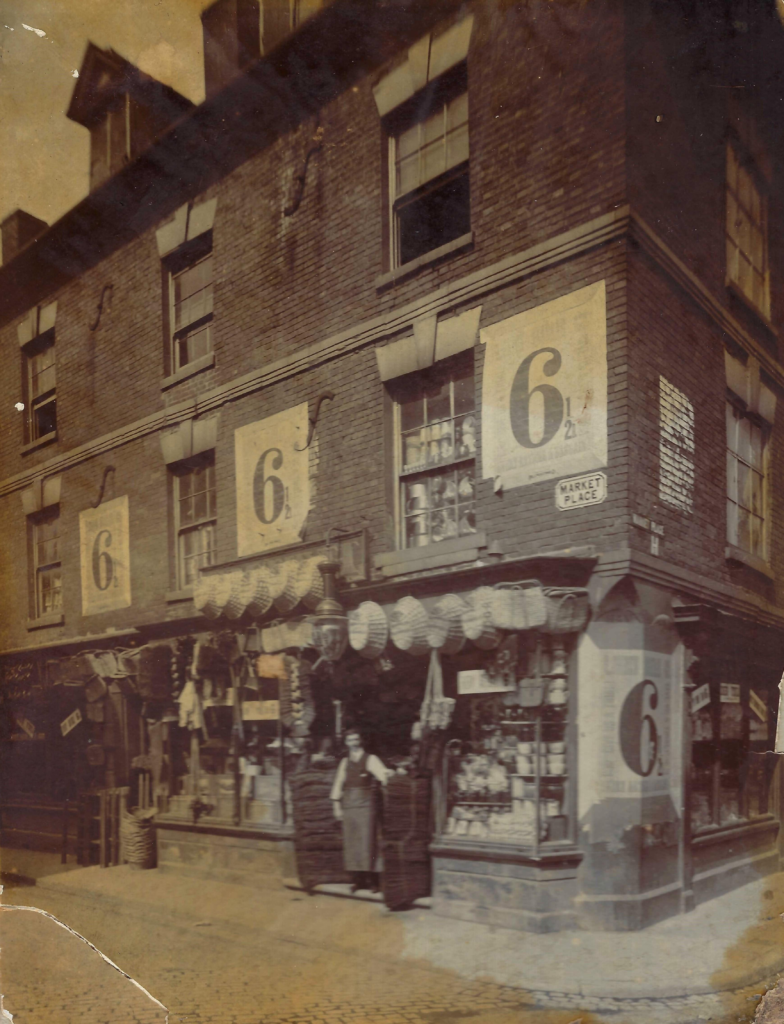
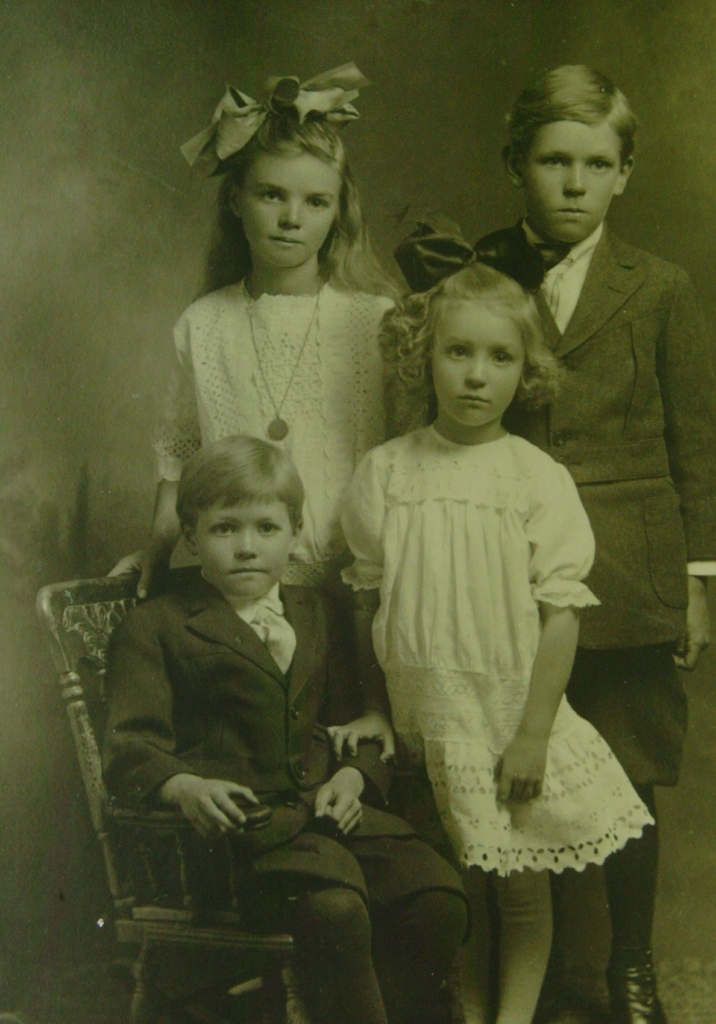
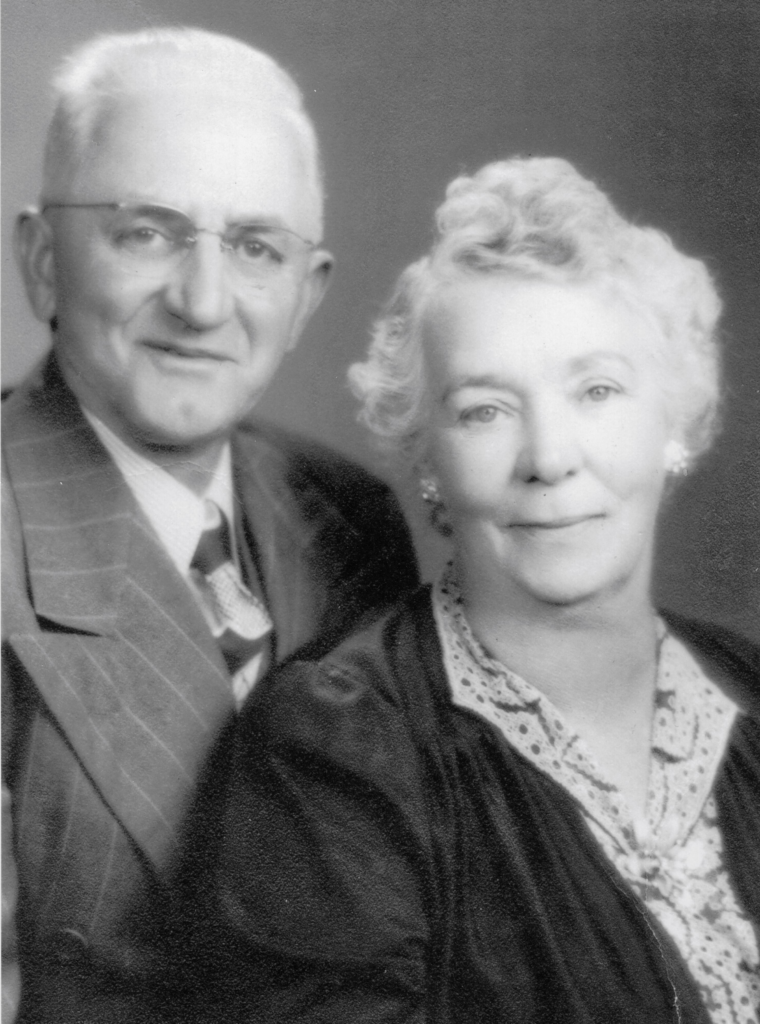
My story starts with my grandfather, David Goodlad. Because of religious bigotry he lost everything after joining The Church of Jesus Christ of Latter-day Saints in 1906. His hardware store in Nuneaton, England, had been prosperous but after his conversion his neighbors refused to buy from his hardware store, and his bank failed to renew his lease, so his business closed. He never financially recovered from this setback. He moved with his family to Canada and then the United States, eventually to Heber, Utah, then later relocated to Salt Lake City to support them. My grandfather was a spiritual man whose experiences led him to the restored gospel of Jesus Christ at all costs.
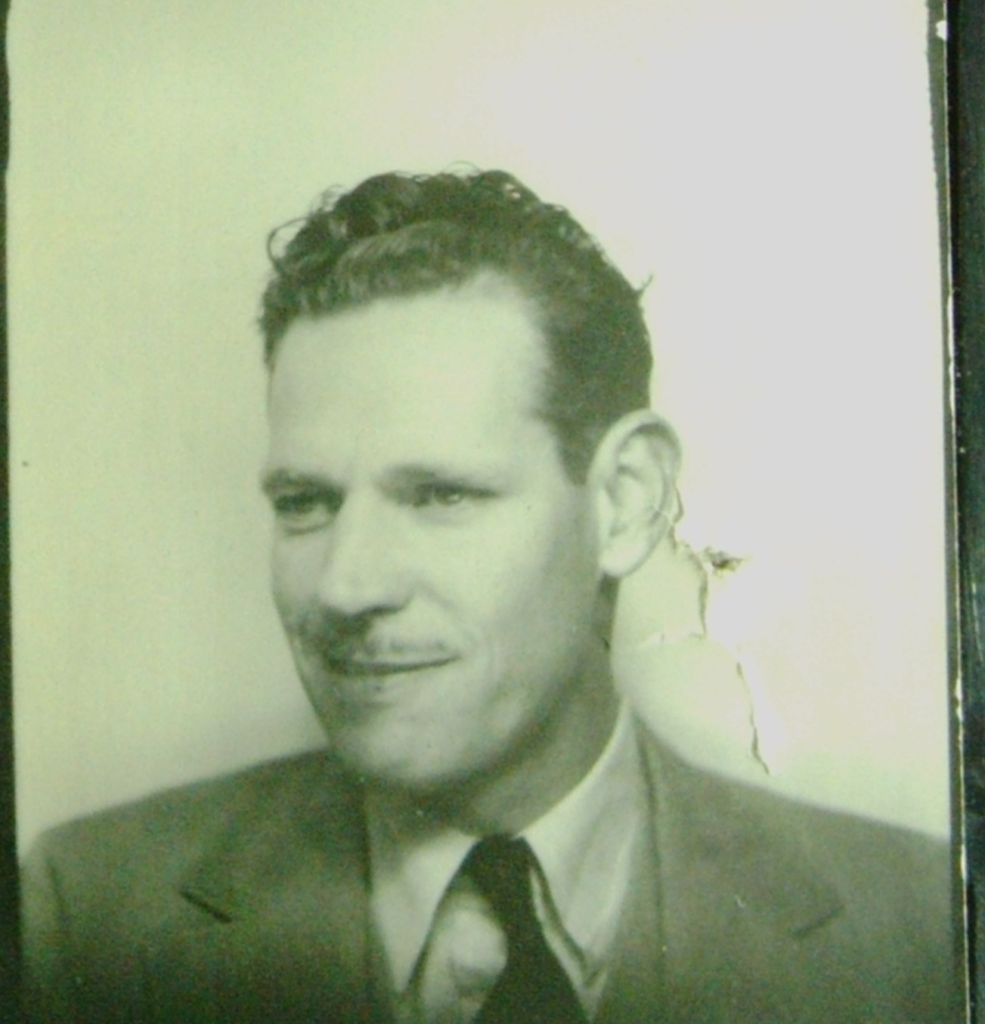
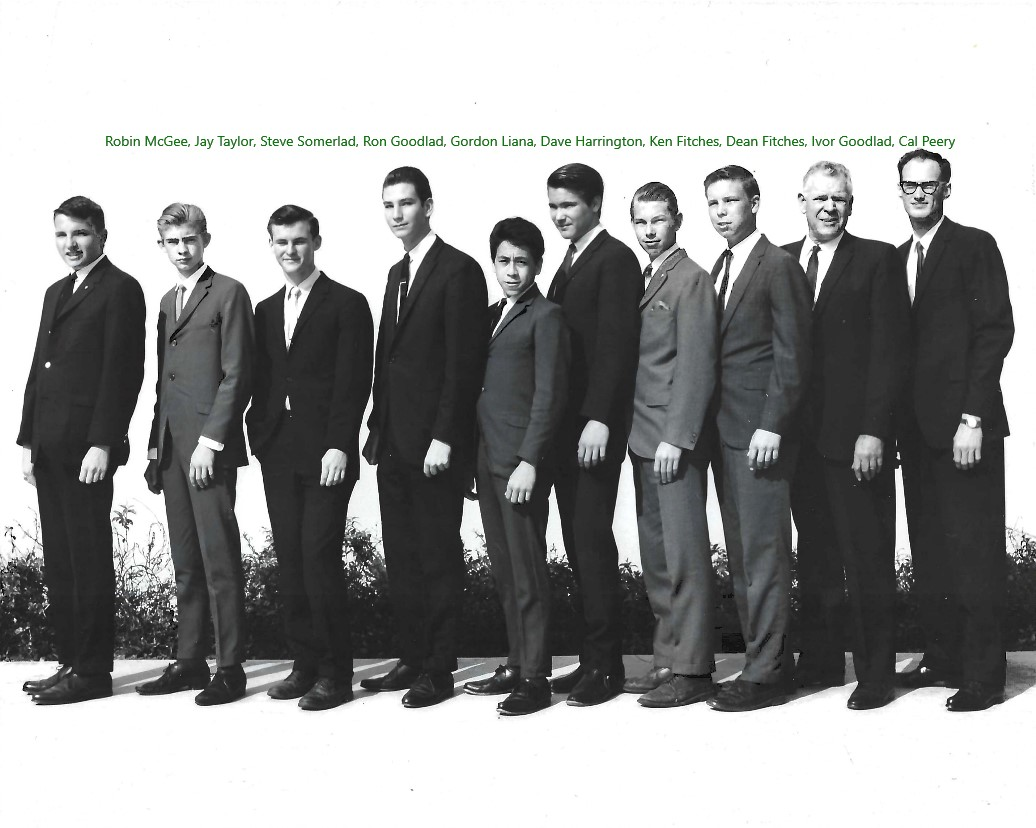
My dad, Ivor Goodlad, was born to David and Lillian Goodlad in England. But they migrated to North America when he was only three months old, and he mostly remembered being raised in Salt Lake City. As was the norm in England, Dad was expected to leave school after seventh grade to help support his family. He did so, leaving behind his hope of someday attending college. Dad always had a strong desire for further education. He took college classes into his 70s. He honed his mechanical skills as a railroad mechanic working on steam locomotives. Later, he spent over thirty years at Stauffer Chemical, retiring as their Maintenance Manager with equipment covering many acres. When a piece of equipment failed, Dad prayed for a solution to the problem and was guided to mentally visualize the problem and then direct his employees on how to fix it. Known as “the magic wand man,” he attributed this ability to divine guidance. After his retirement, he was replaced by a college degreed engineer, with a second engineer soon added due to the heavy workload that Dad had handled.
Dad grew up poor and wanted to spare me his hardships and the bias he experienced from his lack of formal education. In providing for my material comforts, he neglected to teach me the value of earning something for myself and facing the consequences of my bad actions. We were prosperous but not wealthy. But I never had chores, and I got almost everything I wanted. As I entered my confusing teenage years, I made many poor choices, and Dad often intervened to shield me from the consequences of my bad decisions. There is no question that I grew up loved. I think my parents tried too hard to protect me from life. My lack of self-discipline and self-esteem became a hurdle later. Maturing was a long road for me.
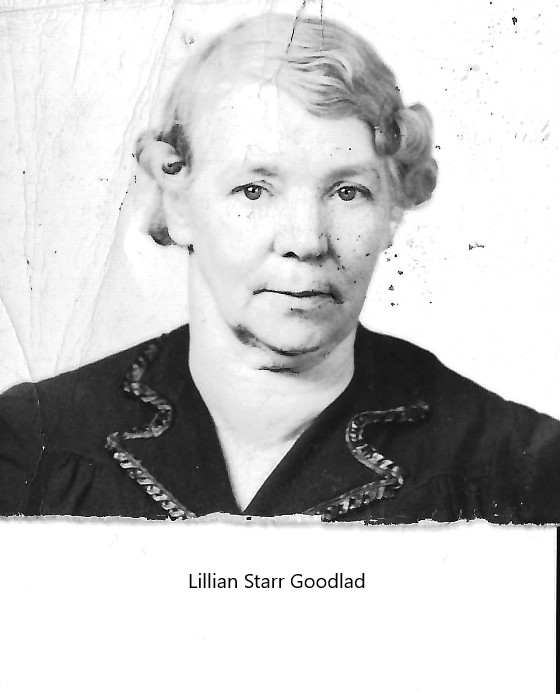
One of my earliest memories dates back to when I was five years old. We were at my grandparents’ home celebrating Grandma Goodlad’s 75th birthday. We were watching TV, and I was sitting on Grandma’s lap. I commented to her about something on the TV screen, but she didn’t respond. I repeated it, but there was no response. Dad then picked me up off her lap and took a closer look at her and found that something was medically wrong. She’d had a stroke. Grandma lived eight more years but never spoke intelligibly again and could only move her left arm. Otherwise, she was paralyzed. We visited her every Sunday for the rest of her life. I’m glad we went often, so she wasn’t left alone. She would try to talk but it would come out garbled and not understandable. I remember seeing in her eyes that she wanted to communicate. Since then, I have thought about her situation in light of my religious beliefs. She was there as an intelligent spirit trapped inside a broken body. She wanted to communicate but couldn’t get past the broken body. How frustrating that must have been for her.
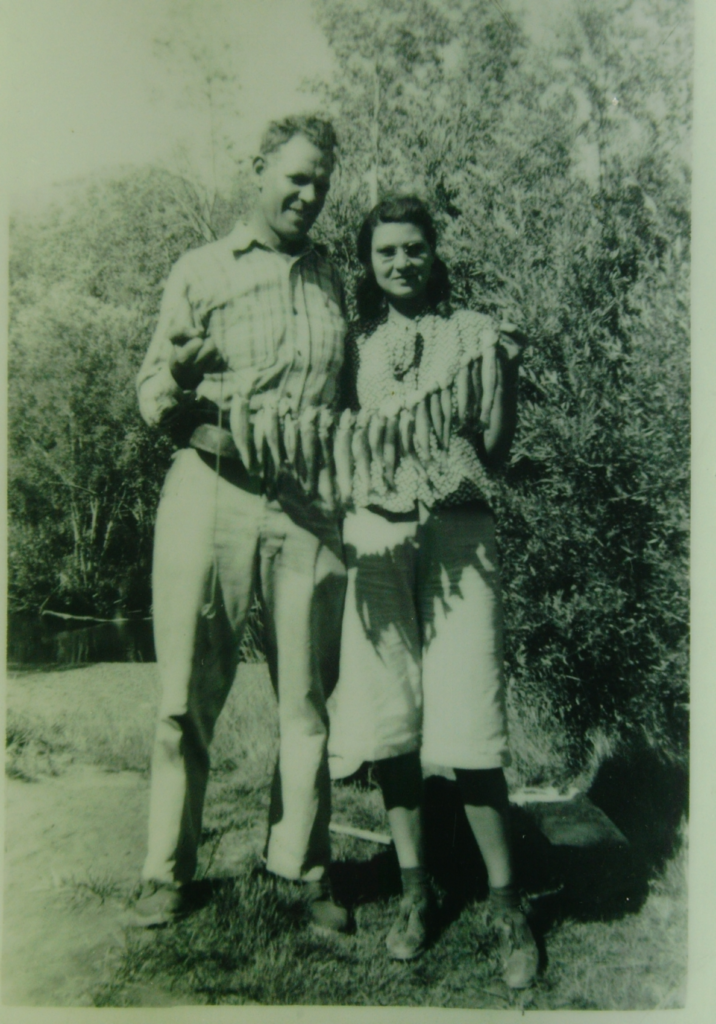
Dad set a strong example by the way he treated my mother, Lucille. Once, when Mom was on her knees scrubbing the kitchen floor, Dad walked through the room and said, “My queen will not do this kind of work,” and finished the job himself. Now, when I see something that needs attention, I try to remember that if I don’t handle it, Kathy will have to. I try to see take care of the problem before she has to.
Dad was always ready to help those in need. When an employee showed up for work intoxicated several times at Stauffer, Dad was told to fire him but chose not to. Rather, he encouraged him to attend AA meetings and even took him there to get started. The man stayed with Stauffer until after Dad’s retirement and often shared his rescue story at our home. Dad served as a bishopric counselor for nearly 20 years before becoming the bishop of a singles ward at age 73, serving for three years until Mom passed away.
My mother thought she had a great musician in me. I’m afraid I turned out to be a disappointment. She was told about a teacher who had instructed many great pianists. I started piano lessons from her at the age of nine. There was a monthly concert at her huge home. Each piano student was expected to perform at his best in front of his peers. We were also expected to write down the beat (3/4, 4/4, 6/8, etc.) of each piece that was performed. I had no idea how to do this. We would then exchange papers and grade results. I typically scored in the 20%’s or less. They performed their music brilliantly and I didn’t. I continued “studying” there into my teens, when the instructor finally asked my mother not to bring me back. The instructor was no doubt brilliant. Her amazing students demonstrated this at the monthly concerts. I went each month to perform in front of them, but having no talents to show, and I always left entirely humiliated by the experience. In the end, I only demonstrated what a great mistake it was to try bring the music out of me. I have never tried to play piano since then. I now enjoy playing Pandora.
It happened almost suddenly when I turned 13, as if a switch had flipped. Suddenly, my emotions shifted rapidly and frequently, often fluctuating between manic and depressed. Grades fluctuated based on the mood of the moment. I was angry at the world, with my parents as my first target, and I could not have a discussion with them without yelling at them. I was seen as rebellious during this period but in reality I was very confused. Decades later, I was diagnosed with type 1 bipolar disorder which explains my emotional intensity back in high school.
I had good friends in high school, mostly those who traded car parts and worked on project cars. But during this period the confusion pushed me away from being who I once felt I should be. I had lost track of who I was. This is a common problem related to bipolar disorder with the emotional swings not allowing you to connect with the real you. I was very fortunate that I somehow “found myself” eventually. I have friends with similar emotional illnesses who are never able to do so.
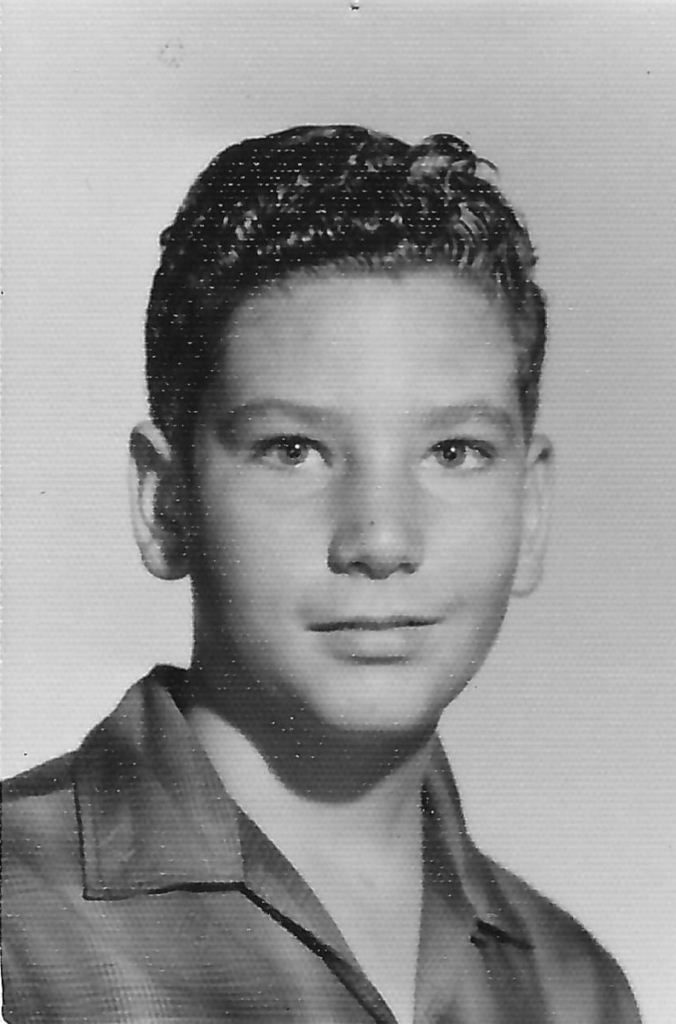
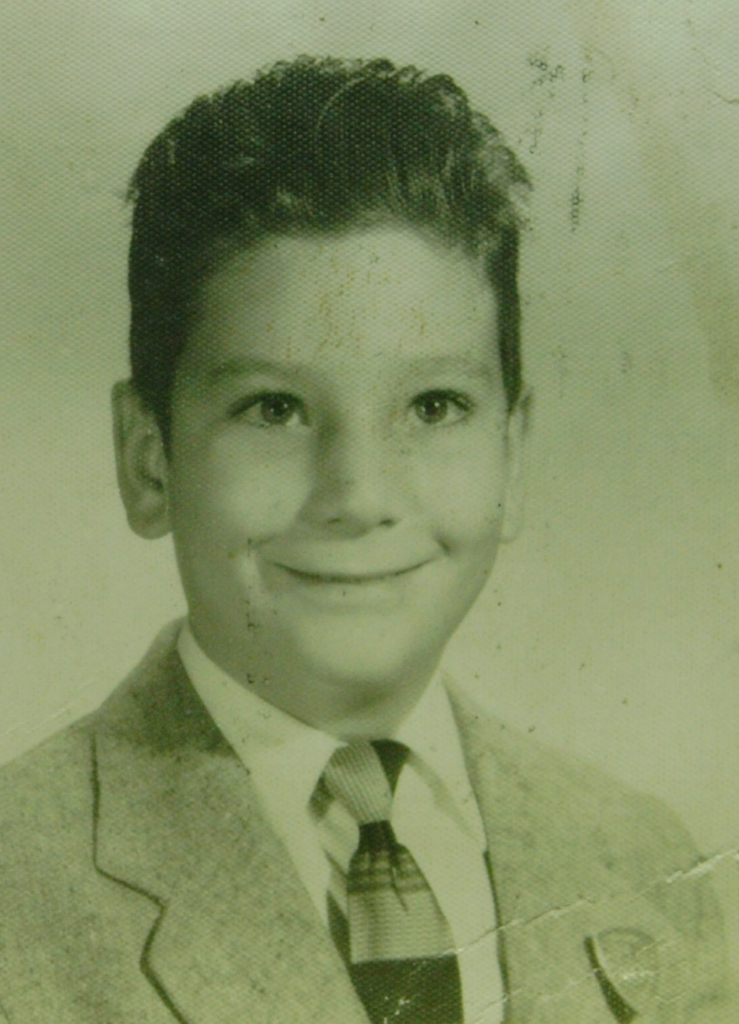
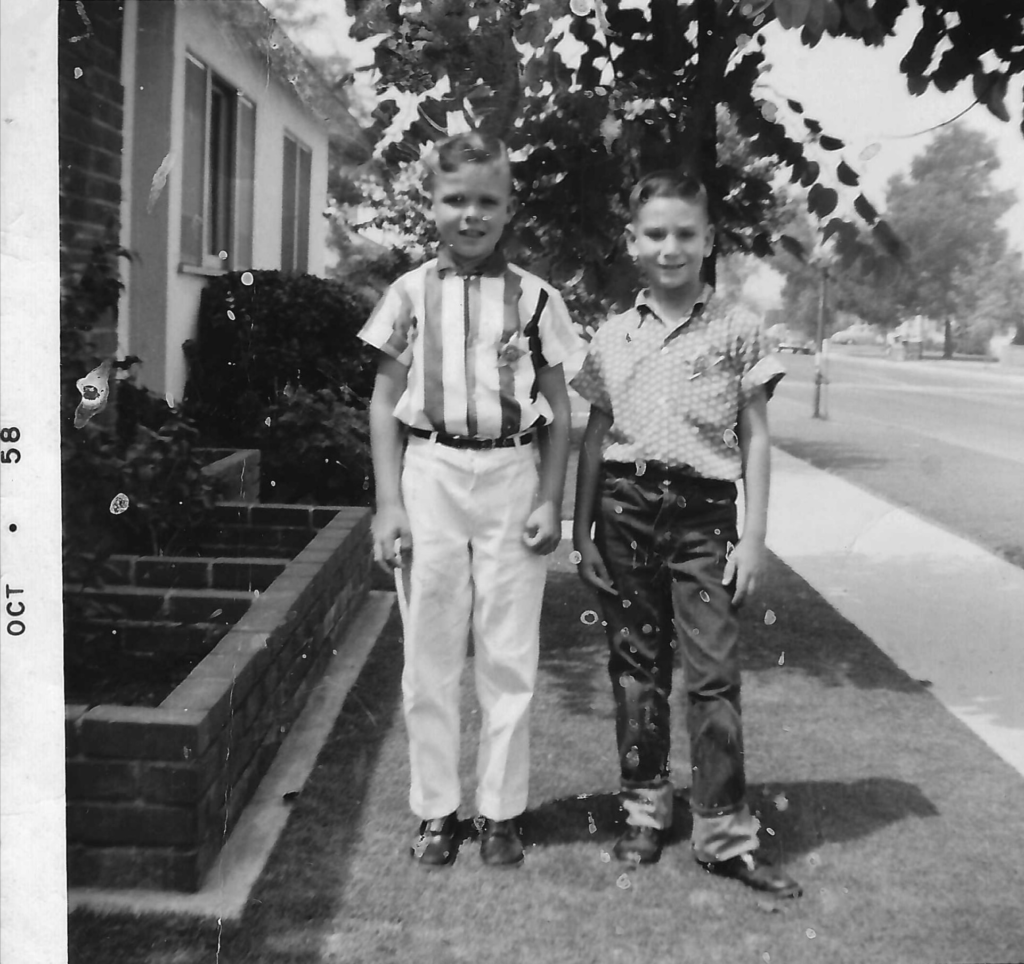

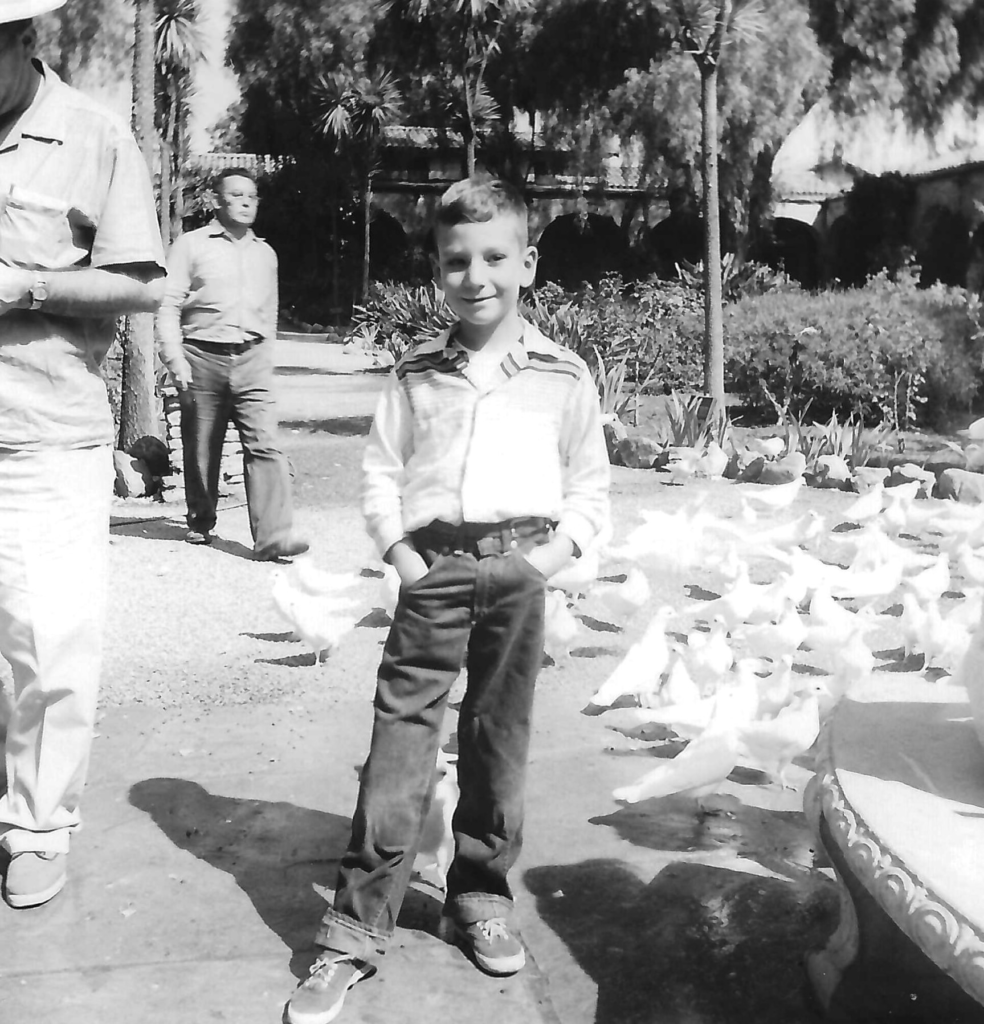

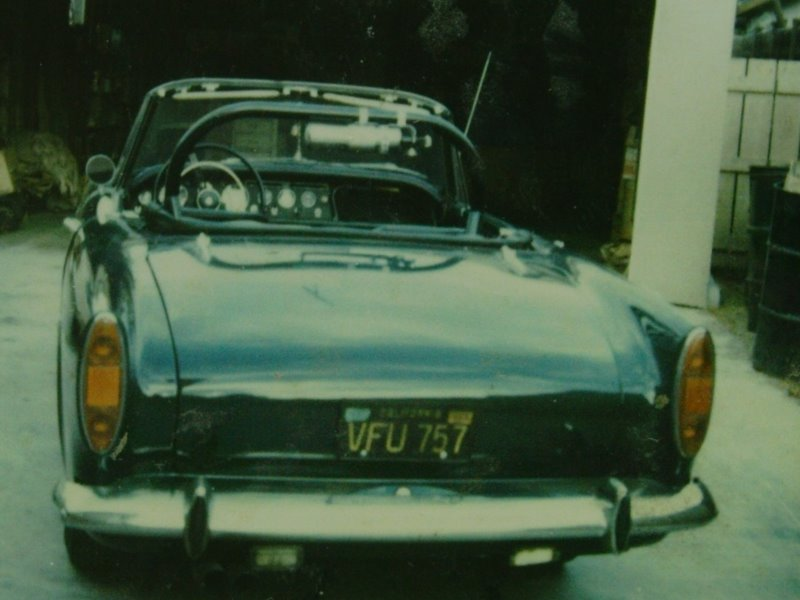
Also at 13, Dad bought me a 292 Ford V8 engine to “play with”, which sparked my passion for cars. I soon became a skilled mechanic, able to tune vehicles for performance. I seemed to have an instinct for mechanical things. I once tuned a friend’s 1956 Chevy dual four-barrel setup in exchange for a non-running but hot-rodded 1936 Ford Coupe. I was too young to appreciate the beautiful hot rodded flathead Mercury engine it had. I could only see that it wasn’t a “modern” Chevy engine, and I sold the car quickly. At the age of 16, my dad bought me a fast 1955 Chevy, and I got a ticket for racing on my first night out. There were many more tickets in my future. At 17, he traded it for a 1967 Sunbeam, hoping to slow me down. I wasn’t allowed to drive it to school at first, but I was promised it would be mine after high school graduation. (I wasn’t planning to finish high school then.) When I graduated it became mine.
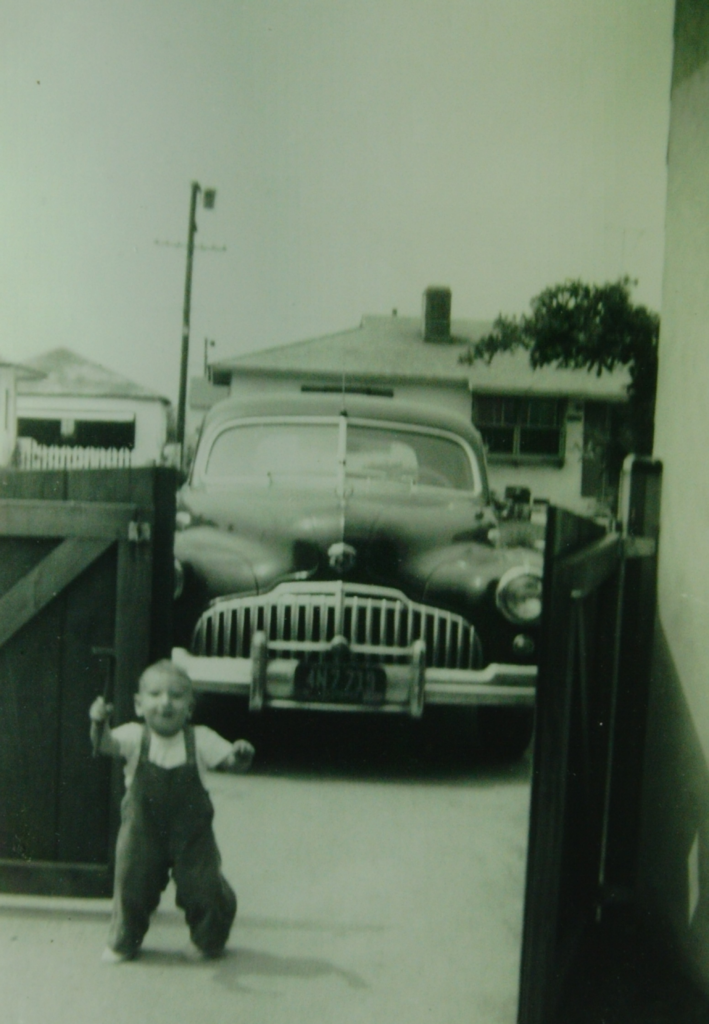
Dad usually drove nice cars, like Cadillacs and Buicks, but he bought a pink Rambler station wagon in 1959 after a bad Buick experience. I thought he did it to ruin my high school experience. Sometimes, when my Chevy was down I was stuck with the Rambler. It was PINK!! Now, anything goes when building a street rod, even old Ramblers. Maybe even pink ones.
I seriously considered dropping out of high school because I just didn’t see myself belonging there. My grades inconsistently swung between A’s and F’s, depending on the mood of the semester. In a math class, Mr. Glasser, a former business owner turned teacher, became a pivotal figure in my life. He saw my struggles and invited me to his beachfront home for hamburgers, sodas, and conversation any time I needed to talk. He listened, offered guidance, and finally convinced me that I was worth educating. This changed everything; I finished high school and achieved high SAT scores. While others doubted me, Mr. Glasser said, “I knew he could do it.” Thank you, Dan Glasser.
At about 17, I had a traffic accident while speeding in the Sunbeam, prompting my dad to lecture me about my recklessness. During the lecture, I walked out the front door, saying nothing. I never called. I stayed with friends for three months, cutting off all contact with them. They did not know these friends or where I was during those months. One evening, a church youth leader, whose name I do not remember, came to the place I was staying. I have no idea how he found me. He took me to dinner, where we had a chance to connect. Encouraged by him, I returned home.
One of the effects of a manic episode is an overwhelming desire for excitement. I received eight tickets in six months, including one for driving 115 mph in a 35-mph zone on a foggy night (!!!). That was my third ticket that night (!!!!). The officer’s emergency elsewhere prevented my arrest. For a brief period, I began drinking. I woke up one morning with the distinct feeling that I was headed to addiction. I have never had an alcoholic drink since. I knew I needed to change, and I went to the DMV and voluntarily surrendered my driver’s license, believing I would not change my driving habits any other way. When reporting to the judge on my crazy three-ticket night, he noted that I had surrendered my driver’s license. He set aside any financial penalty and had my license suspended for a year, after which my record was sealed.
Jerry Eynon, a church youth leader, spent a great deal of time with me in his home. He help me gain my relationship with God, and helped me through the spiritual growth process. His help eventually led me to serving a mission for the Church.
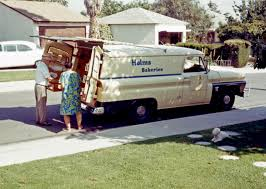
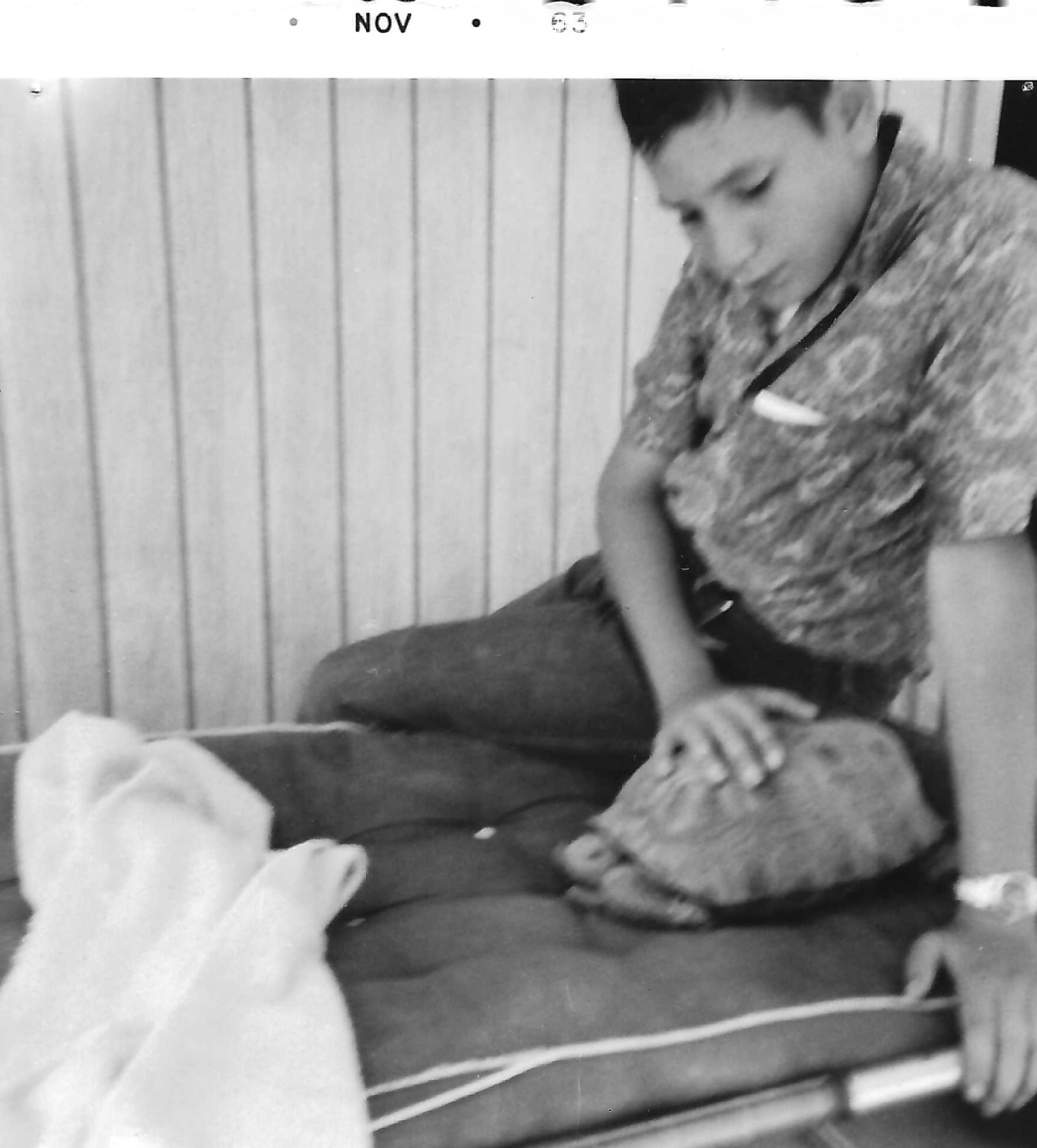
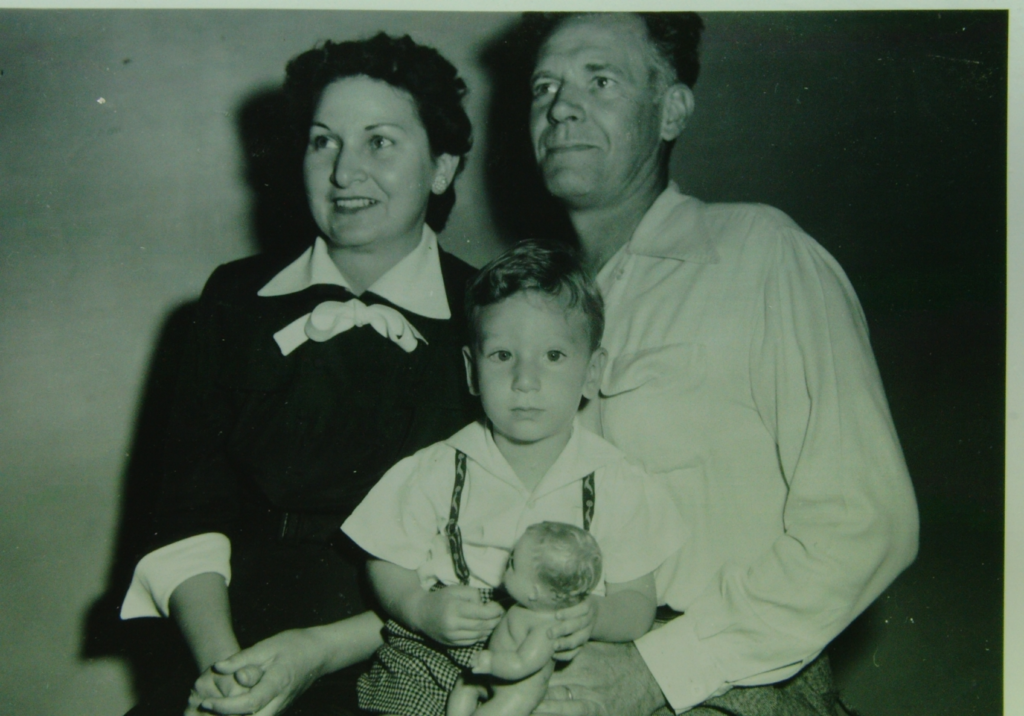
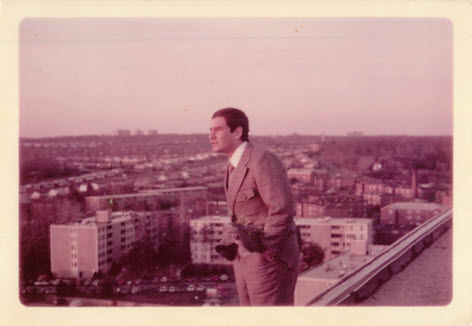
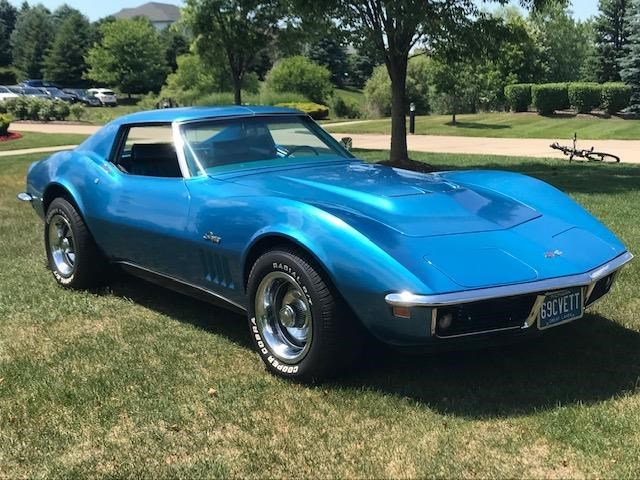
Shortly after graduating from high school, I was hired by George Chevrolet as a lot boy. My job was to keep new and used cars clean and customer-ready, including washing hundreds of vehicles. I enjoyed being around cars and ensured that they all looked great. They once had a 454 cubic inch Corvette in the showroom. It was rated at 460 horsepower, which left me dazzled. A customer wanted to take it for a test drive before buying it. The salesman came to me to get it ready, including a warm up run on a freeway. That was a fun drive!
My boss, who was a tyrant, once became angry over something unrelated to me but told me that he wanted me to spend the entire day washing cars, doing nothing else. While washing cars, one of his salespeople asked me to get a car ready for his customer. I explained my instructions. The salesman insisted that my first priority was to provide customer support, and surely the general manager wanted me to do that first. I finally did what the salesman wished, and my boss then saw me working on the customer’s car and fired me on the spot. I told the salesman and some other coworkers as I was leaving. They all went to my boss and told him that if I left, they would leave. I was called back and rehired. I appreciated the team’s support.
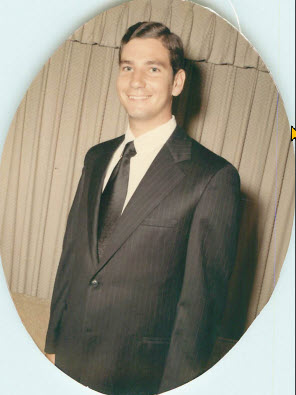
At 19, I had an experience that further “awakened me”. I was riding my bicycle to work (no driver’s license) and a car pulled out in front of me and suddenly stopped. I hit the car and flew over the top of it, landing in the road nearby. But my mind raced through the incidents of the past few years, ending with a voice in my mind telling me that I needed to commit myself to God. I decided then to fully commit myself to a better life.
Also at 19, the “bipolar switch” turned off just as suddenly as it had turned on a few years earlier. I was no longer motivated by the emotional swings caused by bipolar disorder. Jerry Eynon’s influence was vital as I emerged from the effects of the illness. I spent some months sorting through my life and my relationship with God. I studied the Book of Mormon and almost instantly knew that it is the word of God. I knew that I wanted to devote my life to obeying God. I decided it was right to serve as a full-time missionary for The Church of Jesus Christ of Latter-day Saints. I was called on a mission to serve in Washington, D.C., which deepened my faith as I taught the gospel of Jesus Christ and baptized several individuals. An interesting thing happens when you serve. Your past doesn’t matter. God calls you to serve, and you are a different person. This experience redirected my adulthood, focusing me on spirituality and helping others. I had much more to learn about forgetting myself and serving others, but my faith in Jesus Christ and His restored Church was now at the core of my being.
Missionary Experience
One of my favorite mission experiences took place in Westminster, Maryland, where we went door-to-door seeking those interested in our message. Debby, a young mother, welcomed us in, and we shared the story of Joseph Smith’s first vision, which intrigued her. We had an appointment to return the following week to teach more. She called later that day to ask us to teach her husband, Ron. We returned that evening. He was receptive and quickly made lifestyle changes to fit what we taught. They were baptized a few weeks later, having found doctrines to fill the holes in their faith left from their previous church experiences. I am still in touch with this family. They have been firm and faithful since. They have told me that over fifty Church members, including six missionaries, came from their home. I am proud to be a small part of their story.
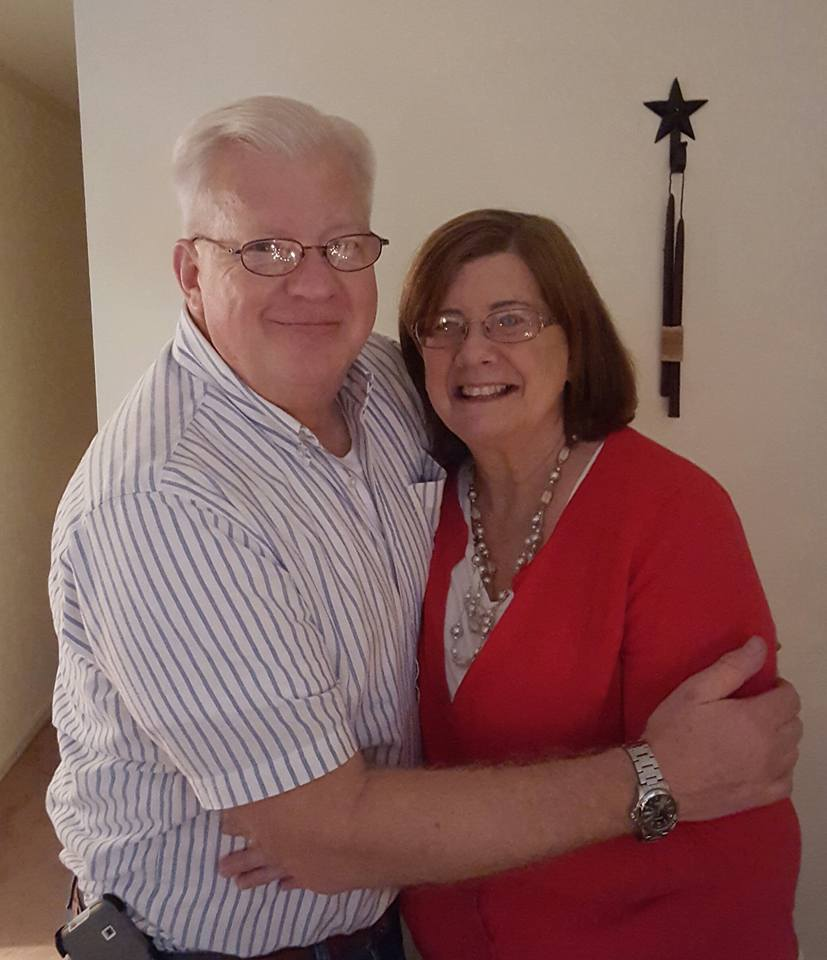
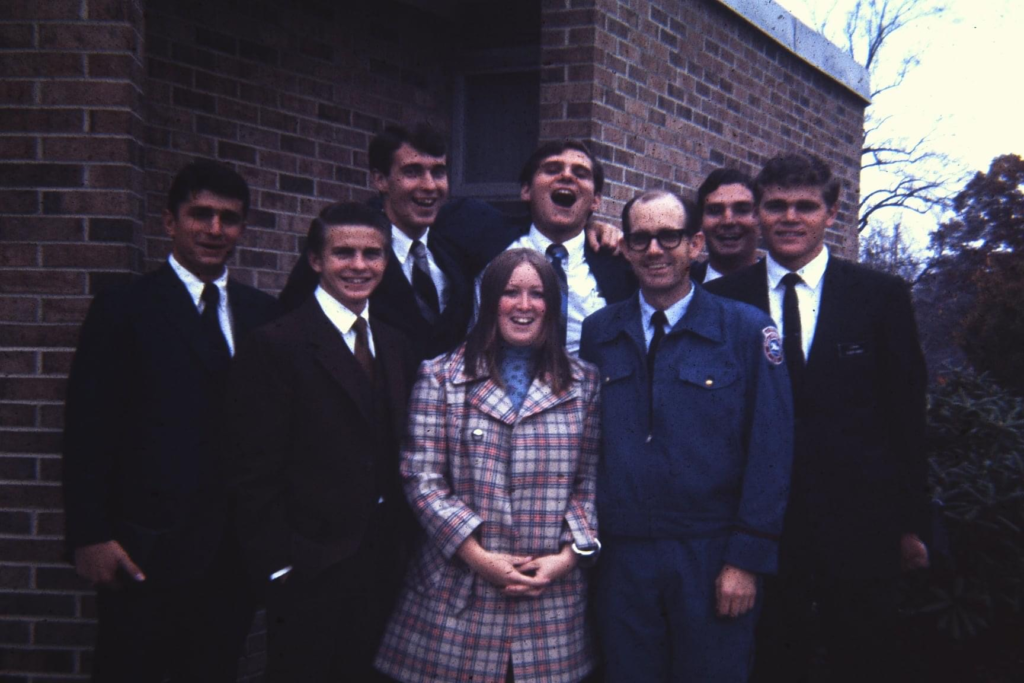
I am grateful for the opportunity to have served and help others come to know and embrace the gospel of Jesus Christ. I appreciate President Edward Drury Jr., our mission president, for his support during my adjustment to missionary life. My training companion, Tom Slack, taught me the gospel and how to teach it. I completed my mission honorably and returned to Lakewood California to build my future.
The Lord is always there for us. When we stray from His path, He will guide us back if we allow Him. He will send others to help us when needed. The angels sent into my life were often disguised as everyday mortals. No one is too far gone to be reached. Back in the real world of school, work and marriage, it took some years to let go of the remains of the self-centeredness I had grown up with. I often thought through my decisions based on what I wanted, not considering the Lord’s or my family’s needs. I wasn’t deliberately rebellious, I just didn’t “get it” in surrendering myself to God. I have found that God is always patiently waiting for us to come to Him. God measures time in eternities, not weeks, months, and years. The years it took me to completely put Him first are irrelevant to Him. I kept trying. I began figuring it out. And that’s what is essential.
The story of Kathy & Ron Goodlad
© 2025 The Goodlads